Sell fixed departures with honest difficulty, show your own guides on your own trails, and fill your first batches through friends, college clubs and local stay owners before you pay for ads. Adventure guests are buying trust: they want to know the person leading them has done this route before and will turn back if conditions say so.
Expect most of your first season to come from people who have seen you, met you or been told about you by someone they trust. Paid ads and listing sites help later, once you have photos, reviews and a refund policy that survives a cancelled weekend.
Who actually books adventure trips
| Guest type | What they buy | What convinces them | Season |
|---|---|---|---|
| Metro professionals aged 22–35 | Weekend treks and 3–6 day Himalayan treks, often solo, joining a group | Photos of real batches, clear itinerary and fitness grading, reviews | Spring and autumn, long weekends |
| College and company groups | Day camps, rope activities, team outings | A safety record, written procedures, insurance and a quote that fits a fixed budget | Winter and early summer |
| Families and first-timers | Camp stays, easy rafting stretches, short nature walks | Instructions that feel reassuring and clear age limits | School holidays, festival weekends |
| Experienced trekkers | Harder passes, new routes | Credentials of the leader, group size, acclimatisation plan | Pre and post monsoon |
| Foreign visitors in some regions | Multi-day guided treks and river trips | English-language booking, clear safety information and online payment | Varies by route |
Pick one of these groups to lead with. A brand that tries to serve school groups, Himalayan climbers and honeymooners at once usually serves none well.
Channels that work for this trade
- Instagram Reels and YouTube: short clips from your own trips: sunrise at camp, the cook making dal at altitude, a guide checking harnesses. People book what looks real. Avoid stock footage and fake crowds.
- Google Business Profile at your base: people searching in Rishikesh, Manali, Kasol or Munnar find you on the day. Photos, hours and replies matter; see our local SEO guide.
- Hostels, homestays and cafés: backpackers ask where to trek or raft. Give owners a clear commission, printed trip cards and a reliable reply when they WhatsApp you at 9 p.m.
- College adventure and outdoor clubs: a free talk or a discounted day trip leads to bookings from members and their friends.
- Trekking communities and WhatsApp groups: answer route questions helpfully, share conditions updates, and avoid spamming.
- Corporate HR and L&D teams: a one-page offer with itinerary, ratios, safety brief and insurance is easier to approve than a vague pitch.
- Travel agents and trip platforms: useful for volume, but your margin shrinks and you remain responsible for safety. Read the terms before you list.
Use WhatsApp as your main enquiry line: enquiries during the day, a quick reply template with dates and price, and a clear handover to a form that collects name, age, health declaration and emergency contact.
Your first 10 guests
- Run a trial departure for people you know. Friends, colleagues and experienced trekkers come at a discount in exchange for honest feedback and permission to photograph.
- Invite one reviewer, such as a trek blogger or community admin, to join a trip on the same terms as guests; do not buy fake reviews.
- Pitch three nearby stay owners. One easy trip to experience your service and a commission sheet gets referrals moving.
- Post a departure on your own channels, with dates, the group cap, a difficulty note and a fitness guide.
- Contact two college clubs with an invitation to a short day trek.
- Collect photos and a written testimonial on the spot, with the guest's permission, and keep their contact for next season.
Cap group sizes visibly, e.g. 12 guests. A small cap signals safety and makes seats feel scarce without hype.
Launch pricing for a first batch
A paid trial batch teaches you more than a free one. Cost it honestly first: guide, cook, helpers, permits, forest entry, food, camp fuel, transport and insurance per guest, plus a reserve for weather days and gear wear.
| Trip type | Typical guest price in 2026 (estimate) | What a first-batch discount looks like |
|---|---|---|
| One-day trek or rafting stretch | ₹800–2,500 per guest | 10–15% off for the first two departures |
| Weekend camp with meals | ₹1,800–4,500 per guest | Early-bird price for the first 6 seats |
| 3–4 day trek in a hill state | ₹6,000–12,000 per guest | Friends-and-family batch at near cost; no deep discount |
| 6–9 day higher Himalayan trek | ₹12,000–28,000 per guest | Keep price firm; discount in kind, such as a free gear rental |
| Corporate or school day programme | ₹700–2,500 per participant, by activity and ratio | Quote per head with a minimum batch size |
State what is not included: personal gear, insurance, offloading charges, extra nights if a pass closes. Hidden extras are the main source of bad reviews in this trade.
Cancellations and refunds: sell this clearly
The most common argument in adventure tourism is a cancelled trip. Write the policy before you take a rupee and show it on every booking page, receipt and WhatsApp confirmation.
- Operator cancellation for safety: you may change or cancel for weather, river level, landslides, permit rules or any safety concern. Offer a new date, a credit valid for a year or a stated partial refund.
- Guest cancellation: tiered refunds by days before departure. Permits and bookings you have already paid are usually non-refundable, so say so.
- Weather during a trip: explain what you do when a pass closes and who pays for extra nights.
- Fitness and medical: you may refuse to take a guest on the trail if the health declaration or morning checks show a risk.
Consumer protection and refund rules apply to your bookings. Have the policy reviewed by a lawyer or CA, and record that guests accepted it when they paid. This is not legal advice.
Turning trekkers into repeat guests
A trekker who loved an easy route is your best customer for a harder one, and for a friend's first trek. Keep the relationship warm outside the season.
- Send photos within two days and ask for a review on Google and Instagram.
- Tell past guests about next season first, with dates before public launch.
- Build a ladder: easy weekend, then 4-day trek, then high pass, with clear guidance on each step.
- Offer a referral credit for friends who book, not a cash bounty.
- Keep a WhatsApp community for batch alumni with conditions updates and trip photos.
- Run a winter or monsoon-friendly product, such as a forest walk or a camp, so guests have a reason to stay in touch.
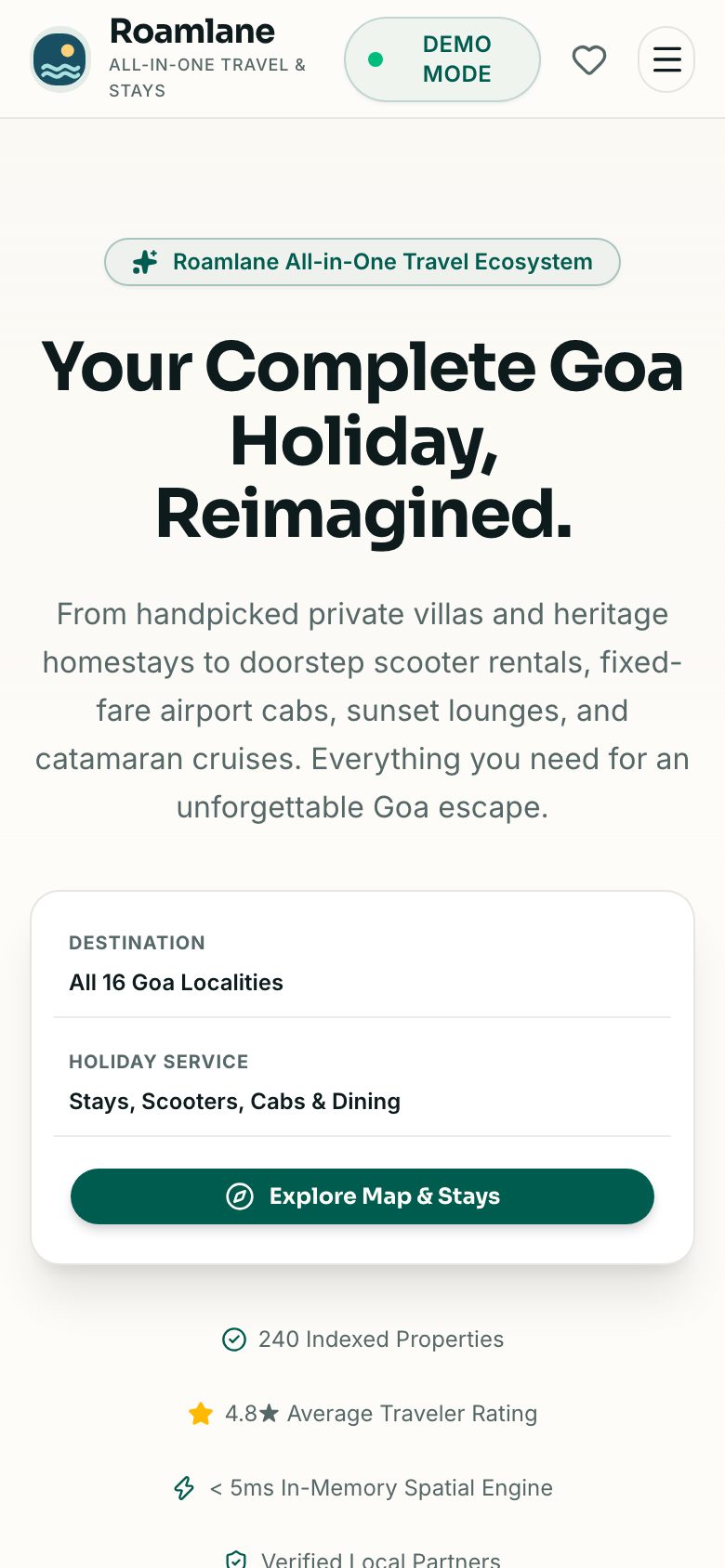
Your concept build Roamlane shows how listings and trip search can look for a holiday region. For the structure of an operator website, see the homestay and hotel website guide, and the first users guide. Read the adventure tourism playbook for licences and set-up, and the travel agency playbook if you also resell other operators' trips.
More on starting a adventure tourism business
- Start hereThe full playbook →Models, licences, startup costs and the steps to your first customer.
- Go deeperWhat to buy →Camp, safety, rescue and activity gear costed, with rent-versus-buy and what to leave for later.
- Go deeperWho to hire →Trek leaders, river guides, cooks and base staff: order, pay, vetting and seasonal contracts.
- Go deeperFinding suppliers →Gear sellers, camp owners, drivers, mule handlers and food suppliers: vetting, terms and red flags.
Questions people ask
How do I get my first customers for a trekking business?
Run a trial batch for friends and experienced trekkers at a modest discount, ask for honest feedback and photos, then partner with two or three hostels or homestays and one or two college clubs. Post departure dates with a group cap and a clear difficulty note. Most early guests come from people who know or trust you.
How much should I charge for a weekend trek or camp?
As a rough estimate, a one-day trek costs ₹800–2,500 and a weekend camp with meals ₹1,800–4,500 per guest. Work backwards from your costs per guest, including guides, permits, food, transport, insurance and a reserve for bad weather. Compare with local operators but avoid pricing so low that you cannot fund safety.
Is Instagram or Google better for an adventure business?
Both do different jobs. Instagram and YouTube build trust through real clips of your guides and trips, while a Google Business Profile at your base catches people already in town searching for rafting or treks. Start with Instagram for planned trips and add Google early because it costs only time.
What should my cancellation policy say?
State that you can cancel or change a trip for safety, and exactly what guests get, such as a new date, a credit or a partial refund. Add tiered refunds for guest cancellations and note that permit and booking costs already paid may be non-refundable. Show it before payment and have a lawyer or CA review it.
Should I list on trip platforms or sell directly?
Do both carefully. Platforms bring volume and trust but take a commission and may set refund rules you must follow, so read the terms first. Direct bookings through WhatsApp and your own page keep margin and let you build a repeat-guest list. Early on, use platforms to fill gaps, not as your only channel.