Start a business · Commerce & D2C · 5 min read

How to start a D2C brand in India

Start a direct-to-consumer brand in India: picking a product, sourcing, unit economics, GST and packaging rules, ballpark costs, and building your own store.

Planning this? Ask an expert, free ↓
Bassline premium acoustics and wireless audio D2C
Runs on Bassline · Audio D2C

A D2C (direct-to-consumer) brand sells its own products to customers through its own channels — a website, an app, social media — instead of only through distributors and shops. To start one, choose a product category you understand, work out unit economics before you order stock, find a reliable manufacturer, and launch on your own store with a strong brand and a clear reason to buy.

The hard part is not building the store. It is getting customers at a cost the margin can pay for, again and again. Plan for repeat purchases from the start.

Is a D2C brand right for you?

Indian shoppers are comfortable buying from brands they found on Instagram, paying by UPI and waiting a few days for delivery. That has let small brands in audio, food, home, personal care and apparel reach the whole country without a distributor network.

D2C suits founders who think in numbers as much as in brand. You need to know your landed cost, shipping, payment fees, returns and marketing cost per order — and still make money. Category knowledge helps: sourcing, quality control and what customers actually complain about.

The hard parts: advertising costs rise as you scale, COD refusals and returns eat margin, and a hit product invites copies. Brands that last build loyalty through product quality, packaging, service and community, not discounts.

Before you spend on stock, write down three numbers: what a customer pays, what the product costs you delivered to their door including returns, and what you can afford to spend to win that customer. If the third number is smaller than what ads and creators actually cost in your category, you need a higher price, a cheaper product, or repeat purchases built in.

Business models to choose from

ModelHow it worksSuits
Own store firstYour website is the main channel; social media and ads bring traffic.Brands with a strong story and margins that can pay for marketing
Own store plus marketplacesYour site builds the brand; marketplaces add reach for search-led buyers.Most brands after the first few months
Subscriptions and refillsCustomers subscribe for regular delivery of consumables.Coffee, personal care, pet food, supplements
Drops and limited runsSmall batches released on a schedule, building anticipation.Electronics accessories, sneakers, streetwear
Omnichannel laterKiosks, stores or modern trade after online demand is proven.Brands with repeat demand and capital

Licences and registrations

RegistrationWhy you need itWhere you get it
Company or LLPA separate legal entity helps with investors, contracts and liability.Ministry of Corporate Affairs, through a CA or CS
GST registrationOnline sellers generally need a GSTIN; confirm current rules with a CA.GST portal
TrademarkYour brand is your main asset in D2C; protect the name and logo.Indian trademark registry, via a trademark attorney
Legal Metrology declarationsPackaged goods need declarations such as MRP, net quantity, maker or importer and customer-care details.Follow the packaging rules; state Legal Metrology department
Product-specific approvalsSome categories need their own approvals — for example BIS certification for many electronics, food licences for food, cosmetics licensing for beauty.BIS, FSSAI, CDSCO or state authorities, depending on the product
IECNeeded to import components or finished goods.DGFT portal

Go deeper in the library: licences and paperwork for a D2C brand.

What you need depends heavily on the product. Check category rules before you place a production order, and confirm with a CA or lawyer. Not legal advice.

What it costs to start

Assumptions: one hero product with 2–3 variants, made or imported in a first batch, sold on your own store with simple brand work. A larger setup adds a wider range, custom packaging and a custom store with an app.

Ballpark figures for India, before GST.
ItemSmall startLarger setup
Product development and samples₹50,000–2 lakh₹3–10 lakh
First inventory₹2–6 lakh₹15–50 lakh
Brand identity and packaging₹50,000–2 lakh₹4–10 lakh
Online store₹30,000–1.5 lakh (hosted)₹8–25 lakh (custom store + app)
Content and launch marketing₹1–3 lakh₹8–25 lakh
Certifications, legal and trademark₹25,000–1 lakh₹1–5 lakh

Go deeper in the library: what a D2C brand costs to start.

These are estimates to plan with, not quotes. Certification needs and minimum order quantities can change them a lot. Our app cost guide explains what moves the store and app price.

Step by step: from idea to first customer

  1. Pick a category you understand and a specific customer problem within it.
  2. Build a unit-economics sheet: landed cost, packaging, shipping, payment fees, expected returns and marketing per order.
  3. Find two or three manufacturers, order samples and test them hard.
  4. Check which certifications your product needs before you commit to production.
  5. Register the company, GST and trademark; open a current account.
  6. Design the brand and packaging, including all required label details.
  7. Build a simple store with UPI and COD, and fast pages on mobile data.
  8. Collect a waitlist with content that explains the problem you solve.
  9. Launch a small first batch to the waitlist and early creators.
  10. Read every review and support message; fix the product and the page.
  11. Scale only the channels where a customer pays back within a few orders.

Running it day to day

Supply. Keep a second supplier in view for critical parts. Quality-check incoming batches before they reach customers.

Inventory. Forecast from real sell-through. Stock-outs during a festival sale cost more than slightly higher stock.

Returns and RTO. Verify COD orders by WhatsApp or a call before dispatch, nudge prepaid UPI, and track returns by reason so you can fix the cause.

Packaging and unboxing. In D2C, the box is your shop front. Protective, branded and simple to open beats expensive and wasteful.

Support. Warranty claims, delivery delays and how-to questions need a shared inbox and clear replies. Read our WhatsApp guide.

Cash. Stock, ads and payment settlement cycles compete for the same money. Review cash weekly.

Data. Look at repeat rate, return rate by product and cost to acquire a customer every week, not only revenue. A D2C brand that sells a lot but rarely sells twice to the same person is renting its growth.

Getting your first customers

  • Content. Short videos showing the product solving the problem, made by you and by creators who use it.
  • Drops. Limited first runs with a countdown give people a reason to act now.
  • WhatsApp and email. Your list is the cheapest channel you will ever have.
  • Marketplaces. Useful for search demand once reviews exist.
  • Exhibitions and pop-ups. Physical trial for products people need to touch or hear.

The tech you need

Start with a hosted store, UPI and COD, a shipping partner integration and a support inbox. As you grow: a custom storefront that loads fast, drops with countdowns, a companion app if the product needs one, warranty registration and a dashboard for stock and orders.

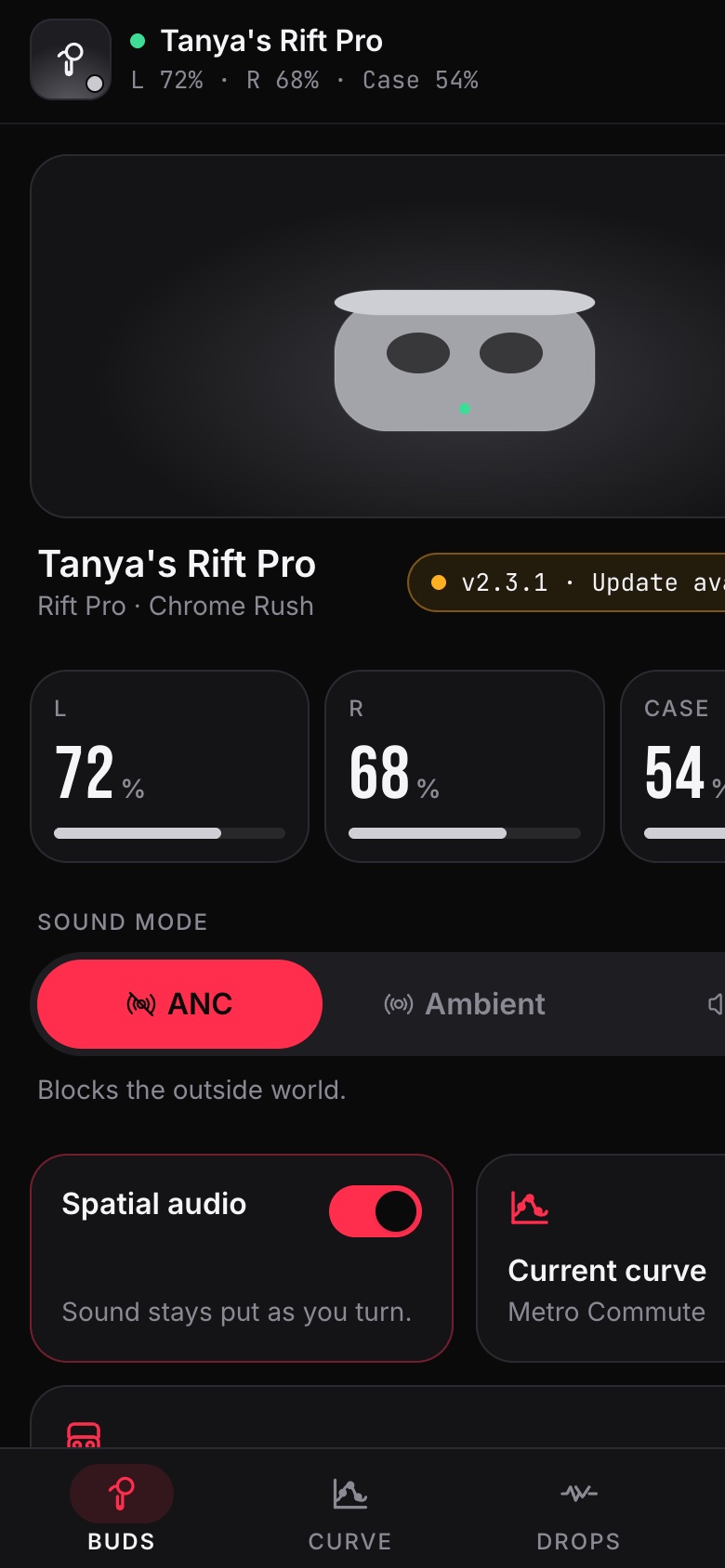
Our concept build Bassline is a D2C audio brand with a web store, a companion app and an unboxing system — an example of every side a product brand needs. See ecommerce websites, website, app or both and how to build an MVP. For apparel specifically, read how to start a clothing brand.

Questions people ask

What is a D2C brand?

A direct-to-consumer brand sells its own products straight to customers through its own website, app or social channels, rather than only through distributors and retailers. It keeps more margin and owns the customer relationship, but it has to bring its own customers and handle delivery and support.

How much does it cost to start a D2C brand in India?

A single hero product with a hosted store can often launch for ₹5–15 lakh, covering samples, first stock, branding and early marketing. A wider range with a custom store and app can need ₹40 lakh or more. These are ballparks; product category and minimum orders move the number most.

Do D2C brands need GST registration?

Online sellers generally need GST registration, and payment gateways and marketplaces usually ask for a GSTIN. Your product may also need category approvals, such as BIS for many electronics or FSSAI for food. Confirm the full list with a CA before launch.

Should a D2C brand build an app?

Usually not at first. A fast website handles discovery and checkout. An app makes sense when customers buy often, when the product needs a companion app, or when you run drops and loyalty for a large repeat base. Our guide on website, app or both explains the trade-off.

How do D2C brands reduce COD returns?

Confirm COD orders before dispatch, offer a small benefit for prepaid UPI, show clear delivery times, and write product pages that set honest expectations. Track every return by reason and fix the cause — usually sizing, damage or a page that over-promised.

The whole plan · 12 steps

Starting a D2C brand, step by step.

Show notes for

Decide

  1. 1

    Check that a D2C brand is worth starting at all

    Is starting a D2C brand in India still worth it?

    Why
    Most first-year failures are arithmetic, not marketing: ad costs, returns and stock tie up more money than the margin returns. Ten minutes on this saves months.
    When
    Before you spend on anything · takes 2–5 days
    Where
    • Online Your own notes and a spreadsheet
    How

    Write the selling price, the cost to make and land one unit, and what is left. Ask whether that margin can pay for ads and returns. Then read why first-year brands fail so you know the usual ways in.

    Cost
    Gross margin that lets a brand carry ads and returns: 60% or more; 70% or more copes best with quick commerce
    You'll have
    A go or no-go on the idea · A first margin number

    Common mistakes

    • Counting the margin before ads, returns and payment fees
    • Copying a brand's launch story without its funding

    Go deeper: Is starting a D2C brand in India still worth it in 2026? · Why do D2C brands fail in the first year, and how do I avoid it? · What margin should a product have before it is worth building a D2C brand around?

    Stuck on this step? Ask an expert, free →

  2. 2

    Choose the product and who will make it

    Which product should I sell, and should I white-label?

    Why
    The product decides your margin, your licences, how easy you are to copy and how much cash the first batch needs. White-label is cheapest to start and easiest for a rival to match.
    When
    After the first margin check · after Check that a D2C brand is worth starting at all · takes 1–3 weeks
    Where
    • Online Marketplace listings and B2B supplier sites, to see what already sells
    How

    Shortlist two or three products by margin, size and how often people reorder. Decide white-label or custom for the first one. If you already sell it in a shop, you have a head start: you know who buys it and why.

    You'll have
    One product and one making route

    Common mistakes

    • Picking a product because it is trending
    • Choosing something fragile, perishable or heavy for the first try

    White-label or private-label brand Ask early what stops the maker selling the same product to the next buyer. It decides how long your edge lasts.

    Brand that makes its own product A product you make yourself moves the licence list and the capital needed. Read the own-making licence page before you commit.

    Go deeper: Which product should I sell under my own D2C brand? · Should my D2C brand start with a white-label product or a custom one? · Is white-labelling cheating? Will my customers find out? · I already sell this in my shop. How do I turn it into a D2C brand? · White label, private label and contract manufacturing: what is the difference, and which one am I buying?

    Stuck on this step? Ask an expert, free →

  3. 3

    Test demand before you make a batch

    How do I know people will buy before I stock up?

    Why
    A batch is the biggest cheque you will write. A small test costs a fraction and tells you if strangers, not friends, will pay.
    When
    Before you place a first batch order · after Choose the product and who will make it · takes 2–6 weeks
    Where
    • Online Instagram, WhatsApp groups and a simple landing page
    How

    Show the product with a price and a way to pre-order or join a waiting list. Count strangers who pay or commit. Use samples for photos and for proof, not for volume.

    You'll have
    A pass or fail on demand, with numbers

    Common mistakes

    • Counting likes as demand
    • Testing only with people who want to be kind

    Go deeper: How do I know people will buy before I make a batch of stock? · Can I start a D2C brand while keeping my job?

    Stuck on this step? Ask an expert, free →

  4. 4

    Count what it really costs and what one order earns

    How much money do I need, and how many orders break even?

    Why
    The money you need is the launch cost plus the cash that stock and delayed payouts lock up. The break-even number tells you how big the brand must be to pay for itself.
    When
    Before you register or order stock · after Test demand before you make a batch · takes 1–2 weeks
    Where
    • Online A spreadsheet, and the cost and break-even pages
    How

    Build one order's profit and loss: price, product, packing, courier, payment fee, returns, ads. Then total the launch lines and add six months of cash. Compare with what you can afford to lose.

    Estimates for one product, with assumptions on the cost page.
    PlanFirst 90 days
    Bootstrap₹45,000–95,000
    Lean₹1,20,000–2,50,000
    Proper₹3,00,000–6,00,000
    Cost
    First-90-day cost of launching one product, bootstrap scenario: ₹45,000–95,000First-90-day cost, lean scenario: ₹1,20,000–2,50,000First-90-day cost, proper scenario: ₹3,00,000–6,00,000
    You'll have
    A one-order P&L · A launch budget with a cash cushion · A break-even order count

    Common mistakes

    • Leaving out returns and the cost of cash stuck in COD
    • Budgeting launch day but not month four

    Go deeper: How much money do I need to start my own D2C brand in India? · What goes into a D2C brand's launch cost, line by line? · Can I start a D2C brand with under ₹1 lakh? · How much cash should I keep aside for the first six months of my D2C brand? · What does one D2C order's profit and loss look like, line by line? · How many orders a month does a ₹799 or a ₹2,499 D2C brand need to break even? · How do I work out the landed cost of one unit, including freight, packaging and GST?

    Stuck on this step? Ask an expert, free →

Set up the business

  1. 5

    Register in the right order

    What registrations does a D2C brand need and when?

    Why
    GST, a business bank account and the right licence for your category decide whether you can sell on marketplaces, take payments and print a legal label.
    When
    Before the first sale, ideally before the first batch · after Count what it really costs and what one order earns · takes 1–4 weeks
    Where
    • Online portal GST portal
    • A professional A CA, for structure and GST
    How

    Pick proprietorship or a company, open a current account, check the licence your category needs, and decide on GST. Selling through marketplaces or across states changes whether you can wait.

    You'll have
    GST number if needed · A business bank account · A licence checklist for your product

    Common mistakes

    • Selling on a marketplace before sorting GST
    • Assuming a loan-licence brand needs no licence of its own

    Brand that makes its own product A plant means category licences of your own. Read the licences page for making your own product first.

    Export-first brand Add an IEC and the LUT process before the first export order.

    Go deeper: What registrations does a D2C brand need, and in what order should I get them? · Do I need GST from my D2C brand's first order, or can I wait? · Do I need GST to sell my D2C products on Amazon, Flipkart or Meesho? · Does my D2C product need FSSAI, a cosmetics licence or BIS before I sell? · Can I use my home address for GST, Amazon and Shopify, and what about a coworking address? · Proprietorship, LLP or Pvt Ltd for a product brand: which one, and when do I switch? · Do I need GST registration to sell my brand's products online, even on the first order?

    Stuck on this step? Ask an expert, free →

  2. 6

    Pick a name and decide when to file the trade mark

    How do I name my D2C brand and protect the name?

    Why
    A name you cannot register, or one a rival can file first, is expensive to change after a thousand orders and reviews.
    When
    Before you print labels or buy a domain · after Choose the product and who will make it · takes 1–3 weeks
    Where
    How

    Search the trade mark database, the domain and the Instagram handle. Write down the class for your product. File early if the name is the asset you are building.

    Cost
    Trade mark application fee, e-filed, individual, startup or small enterprise: ₹4,500 per class per mark
    You'll have
    A name that is free in your class · A filing decision

    Common mistakes

    • Printing labels before a search
    • Filing in the wrong class

    Go deeper: How do I name my D2C brand and check the name is free? · Should I file the trademark before my first sale, or after?

    Stuck on this step? Ask an expert, free →

Make the product

  1. 7

    Find a maker, check the factory, agree terms

    How do I find and check a manufacturer for my brand?

    Why
    The maker sets your quality, your minimums and sometimes your future. Most late problems start with a handshake at this step.
    When
    Once demand passes the test · after Test demand before you make a batch, Register in the right order · takes 3–8 weeks
    Where
    • On site The factory, ideally visited or checked by someone you trust
    How

    Collect three quotes and samples. Ask who owns the formula or pattern, what the minimum order is and what happens if material changes. Put the answers in a written agreement.

    Cost
    Minimum order quantity on third-party manufacturing listings: 500–2,000 pieces per SKU
    You'll have
    A chosen maker · A signed agreement · An approved sample

    Common mistakes

    • Paying the full amount upfront
    • Skipping a written spec for material and finish

    Go deeper: How do I find a good contract manufacturer for my brand? · How do I check a factory's quality before I pay for the first batch? · What should I ask a D2C product maker at the first meeting? · What is a minimum order quantity, and how do I get samples and a smaller first order? · What should a manufacturing agreement with my maker say? · If a factory makes my product, who owns the formula, the pattern or the design? · How much advance should a D2C brand pay a maker, and how do I protect it?

    Stuck on this step? Ask an expert, free →

  2. 8

    Size the first batch and pack it to survive

    How many units should my first batch be?

    Why
    Too much stock locks cash and risks expiry or dead stock. Too little means a stock-out just as the first orders come.
    When
    When the sample is approved · after Find a maker, check the factory, agree terms · takes 3–8 weeks
    Where
    • On site Your maker, packer and courier partner
    How

    Size the batch to what your test suggests you can sell in 60 to 90 days, then check the maker's minimum. Design packing for the courier, not for the unboxing video alone, and set a quality check for every batch.

    You'll have
    A first batch · A packing spec · A quality checklist

    Common mistakes

    • Ordering to hit a price break instead of to sell
    • Packaging that costs more than the margin allows

    Go deeper: How many units should my brand make in its first batch? · How do I check quality on every batch, and what do I do when a batch is bad? · How much should my D2C product's packaging cost, and when is it too much? · How should I pack products so they arrive unbroken without overspending on packaging? · How many days of stock should a D2C brand keep? · How should a D2C brand handle shelf life and expiry dates?

    Stuck on this step? Ask an expert, free →

  3. 9

    Set the price and print a legal label

    How do I price my D2C product and what must the label say?

    Why
    The price has to cover ads, returns and discounts and still leave profit. The label has to carry the declarations the law requires, and your claims must be ones you can prove.
    When
    Before labels go to print · after Count what it really costs and what one order earns · takes 1–3 weeks
    Where
    • A professional A CA or consultant for label and category rules
    How

    Work back from the MRP: take out GST, margin for any shop, discount, shipping and ads, and see what is left. Check each label declaration and each claim against the rules for your category.

    You'll have
    A price and MRP · A label that passes a checklist

    Common mistakes

    • Using a claim like natural or clinically proven without proof
    • Setting the MRP before knowing the discounts you will give

    Go deeper: How do I price a D2C product so it covers ads, returns and still leaves profit? · How do I get from my cost to an MRP, and how much margin is left after discounts? · What must be printed on my product's label under Legal Metrology: MRP, quantity, date, origin and customer care? · Can I write natural, ayurvedic or clinically proven on my D2C product's label and ads? · What can my brand claim in ads and on labels, and what are the rules for influencers?

    Stuck on this step? Ask an expert, free →

Open and sell

  1. 10

    Build the store, payments and shipping

    What do I need to take and ship orders?

    Why
    A store that takes payment and ships reliably is half of what customers judge you on. Returns and COD rules are part of it.
    When
    While the first batch is being made · after Set the price and print a legal label · takes 1–3 weeks
    Where
    • Online A store platform, a payment gateway and a courier aggregator
    How

    Choose a platform for where you are now, not where you hope to be. Add a payment gateway, set a courier, write return and refund rules and put the legal pages on the site.

    You'll have
    A working store · Courier and gateway accounts · Policies live

    Common mistakes

    • Paying for a heavy plan before orders
    • Ignoring COD risk until the first fake order

    Instagram and WhatsApp-led brand You may start with orders from DMs and no store. Read the COD and WhatsApp order pages before you scale.

    Marketplace-first brand Your first store may be a marketplace seller account. The same price and label steps apply.

    Go deeper: Shopify or WooCommerce for my D2C brand's first store? · Is Shopify worth it at five orders a day? · Which payment gateway should my D2C store use? · Which order, shipping and returns tools does a small D2C brand need? · Which courier or shipping aggregator should my brand use? · How should my brand set a return and refund policy, and what must it honour by law? · What do the E-Commerce Rules and dark-pattern rules require from a brand that sells online? · How do I shoot product photos for my D2C brand on a small budget?

    Stuck on this step? Ask an expert, free →

  2. 11

    Launch, then win your first 100 orders

    How do I get my D2C brand's first 100 orders?

    Why
    The first orders come from people who know you or who find a clear offer. They also give you the reviews and data you need before paid ads make sense.
    When
    When stock lands and the checklist is ticked · after Build the store, payments and shipping, Size the first batch and pack it to survive · takes 4–12 weeks
    Where
    • Online Instagram, WhatsApp, marketplaces and a small ad test
    How

    Run the launch checklist, then sell to people you can reach directly. Ask each buyer for a review. Put in COD verification so fake orders do not eat the first margin. Test ads only once one order's profit is known.

    You'll have
    First orders and reviews · Real return and COD numbers

    Common mistakes

    • Scaling ads before returns are known
    • Giving deep discounts to get reviews you could ask for

    Go deeper: What should a D2C brand have ready in the last two weeks before launch? · How do I get my D2C brand's first 100 orders? · Where should my D2C brand's first marketing money go: Instagram content or Meta ads? · How do I get my D2C brand's first Google, Amazon and website reviews? · How do I set up COD verification by OTP or WhatsApp? · Can I run my D2C brand from home, and for how many orders a month?

    Stuck on this step? Ask an expert, free →

  3. 12

    Check the numbers at 90 days

    Is my new D2C brand healthy or just busy?

    Why
    Sales hide losses. At 90 days you can see what a customer cost, how many returned the parcel and whether anyone came back.
    When
    Three months after launch · after Launch, then win your first 100 orders · takes 1 weeks
    Where
    • Online Your store reports, courier reports and bank statement
    How

    Work out profit per order after returns, what a new customer cost and the share who bought again. Compare with the typical ranges and decide: keep going, fix, or stop while you still have cash.

    Cost
    Blended customer acquisition cost: ₹800–1,200 per new customerRepeat purchase rate reported by D2C founders: 10–30% of customers
    You'll have
    A 90-day scorecard · A next move

    Common mistakes

    • Judging by revenue instead of profit per order
    • Waiting for a festive sale to fix a loss

    Go deeper: What repeat purchase rate is normal for a D2C brand? · What is a good customer acquisition cost for my D2C brand's category? · Why is my D2C brand making sales but no profit? · What does one D2C order's profit and loss look like, line by line?

    Stuck on this step? Ask an expert, free →

Where these numbers come from

  1. Gross margin that lets a brand carry ads and returns: 60% or more; 70% or more copes best with quick commerce (India; analyst reading of 34 brands). Ballpark The CPG Lab Substack scan of 34 Indian D2C brands (2026) read gross margin off filings; the analyst's own judgement, not a rule.
  2. First-90-day cost of launching one product, bootstrap scenario: ₹45,000–95,000 (all India; one SKU; Razorpay planning scenario, not a benchmark). Reported: Razorpay blog (checked research 2026-11-14), checked 13 November 2026.
  3. First-90-day cost, lean scenario: ₹1,20,000–2,50,000 (all India; Razorpay planning scenario; its own line items add to ₹1.54 to 3.07 lakh). Reported: Razorpay blog (checked research 2026-11-14), checked 13 November 2026.
  4. First-90-day cost, proper scenario: ₹3,00,000–6,00,000 (all India; Razorpay planning scenario; its own line items add to ₹3.6 to 7.1 lakh). Reported: Razorpay blog (checked research 2026-11-14), checked 13 November 2026.
  5. Registration at launch: Proprietor ₹0 to 2,000; company ₹8,000 to 18,000 (all India; Razorpay planning estimate). Reported: Razorpay blog (checked research 2026-11-14), checked 13 November 2026.
  6. Trade mark application fee, e-filed, individual, startup or small enterprise: ₹4,500 per class per mark (all India). Official source: IP India, trade mark official fees (checked research 2026-11-14), checked 13 November 2026.
  7. Minimum order quantity on third-party manufacturing listings: 500–2,000 pieces per SKU (India; IndiaMART private-label skincare listings (500, 1,000 and 2,000 seen); apparel, food and home goods not collected). Reported: IndiaMART listing (checked research 2026-11-14), checked 13 November 2026.
  8. Blended customer acquisition cost: ₹800–1,200 per new customer (India; a 35-brand scan, direction only; one series runs ₹650 to ₹1,850 over 2021 to 25). Reported: The CPG Lab (Substack) (checked research 2026-11-14), checked 13 November 2026.
  9. Repeat purchase rate reported by D2C founders: 10–30% of customers (India; survey of 100+ founders (DSG, Meta, Viralmint, December 2025)). Reported: Entrepreneur India (checked research 2026-11-14), checked 13 November 2026.

Fees, rates and rents change. Check the official source before you pay or sign anything.

Menu

Read

Ask an expert Ask an expertFree, real peopleHub
Ask an expert