A cafe wins customers by being the easy, good, nearby coffee in the first ten days, then by turning a visit into a habit. Fix your Google Maps listing, walk coffee to the offices and shops within a few minutes of the door, run a short launch offer, and give people a reason to return on a second day: a loyalty card, a regular's drink or a quiet-hour event.
A cafe's customers are mostly within a kilometre or two, so the offline work counts for as much as the online. Count success in repeat visits, not footfall: ten regulars who come four times a week are worth more than a hundred one-time visitors from a discount reel.
Your first ten regulars: where they actually come from
| Source | What to do | Why it works for a cafe |
|---|---|---|
| Shops and offices within 5 minutes | Walk in with a free small coffee and a menu card in the first week | These people walk past daily; one good coffee earns the habit |
| Gym, salon, clinic and co-working staff nearby | Offer a staff discount card to the front desk | They are repeat visitors and talk to many people |
| Colleges and coaching centres | A student price on set drinks at fixed hours | Groups arrive together and bring friends |
| Local residents' WhatsApp groups and society managers | Share the opening offer with a clear map location, once | Neighbours are the Saturday morning crowd |
| Local food and lifestyle accounts on Instagram | Invite 3–5 to a tasting, no pressure to post | Creates local photos and a bit of awareness |
| The roaster you buy from | Ask to be listed on their site and social as a stockist | Their customers search for places serving their beans |
Keep a simple log of who comes in: name, drink, source (walk-in, referral, Instagram). By the end of the first month you should know your top 20 regulars and what they order. Greet them by name; it is cheap and rarely forgotten.
Launch pricing without training people to wait for a discount
A cafe's margin on a drink is usually healthy, but a deep discount on the espresso that anchors your price stays in people's memory. Prefer offers that add value, not ones that cut your price.
- Opening week: a free small cookie or bake with any large drink, or a free second shot, not 50% off.
- A launch coffee card: buy 5 drinks, the 6th is free, starting from the opening day. Stamp each visit; cards in a wallet bring people back.
- Combos at fixed hours: a coffee and a sandwich at a set price in the morning, when offices are busy.
- A weekday afternoon offer to fill the quiet period, such as a 15% discount on cold drinks between 3 and 5 pm.
- Student or neighbour price on one or two items, not the entire menu.
- A small number of seasonal drinks that give people a reason to look at the menu again, and a story for social posts.
Check your margin before every offer. A drink that costs ₹55 to make and sells at ₹180 is healthy; a free second drink plus delivery commissions can eat all of it. Use your POS reports to see which items make money, then promote those.
Office coffee runs, pre-orders and delivery apps
Offices want hot coffee that arrives on time, not discounts. A WhatsApp order list for a nearby office floor often becomes a daily habit, and a cafe can offer a morning pre-order so drinks are ready when people walk in.
- A WhatsApp Business catalogue with the menu, prices and a pre-order time slot. See our guide on WhatsApp for business.
- Office delivery bundles: 6 or 12 drinks in a carry tray, with a time stamp. Charge a small delivery fee or set a minimum.
- Swiggy, Zomato and similar food apps can add orders, but they take a commission and ask for photos, hygiene proof and a short menu. Many cafes keep a separate, shorter delivery menu of cold coffee, brownies and sandwiches that survive 30 minutes in a bag. We have not verified current commission rates; check each platform's terms before signing.
- Good packaging: spill-proof lids, sleeves and sealed bags. A leaked drink brings a one-star review.
- Your own ordering link for regulars, so they order from you without a commission. See our restaurant online ordering guide.
Events, quiet hours and the laptop crowd
Cafes sell time, so empty tables on weekday afternoons and weeknights are your real problem. Fill them with a reason to come, and set simple rules for the long-stay laptop crowd, who are a good customer if you set terms.
- Weeknight events: open mic, board games, a book club, quiz night, a small tasting from a local roaster, a Sunday sketch session. Keep each recurring so people can plan.
- Work-friendly hours, with a clear note: a minimum order for every two hours, or an hourly pack that includes drinks. Say it nicely on the menu.
- Plug points and Wi-Fi that actually work; test the speed at 4 pm.
- Rentable corner: a table for small meetings, birthdays and interviews at a fixed price.
- Local artists and photographers put work on the walls, invite their friends and share your cafe.
A recorded-music licence may be needed for playing music in your cafe, and some cities ask for permission for live events. Check with your local authority, and the music rights bodies, before running ticketed or amplified evenings.
Retention: a card, a regular's order and a monthly bean bag
Repeat customers are the business. Aim for a visit rate, not a follower count: how many people came twice in the first month, and how many came every week.
- Stamp card or digital loyalty: keep it simple enough that the barista can explain it in ten seconds.
- Remember the order: a note in the POS or a mental note, and ask 'the usual?' on the second visit.
- A coffee subscription such as a monthly pack of 10 coffees at a discount, paid upfront; it brings cash in and fixes the habit.
- Sell bags of beans to people who ask what you serve. Include brew notes so they can make it at home. See what to buy before adding a grinder for bean sales.
- A birthday drink collected on WhatsApp, which costs a few rupees and is remembered.
- Ask for feedback at the counter and fix the repeated complaint within a week.
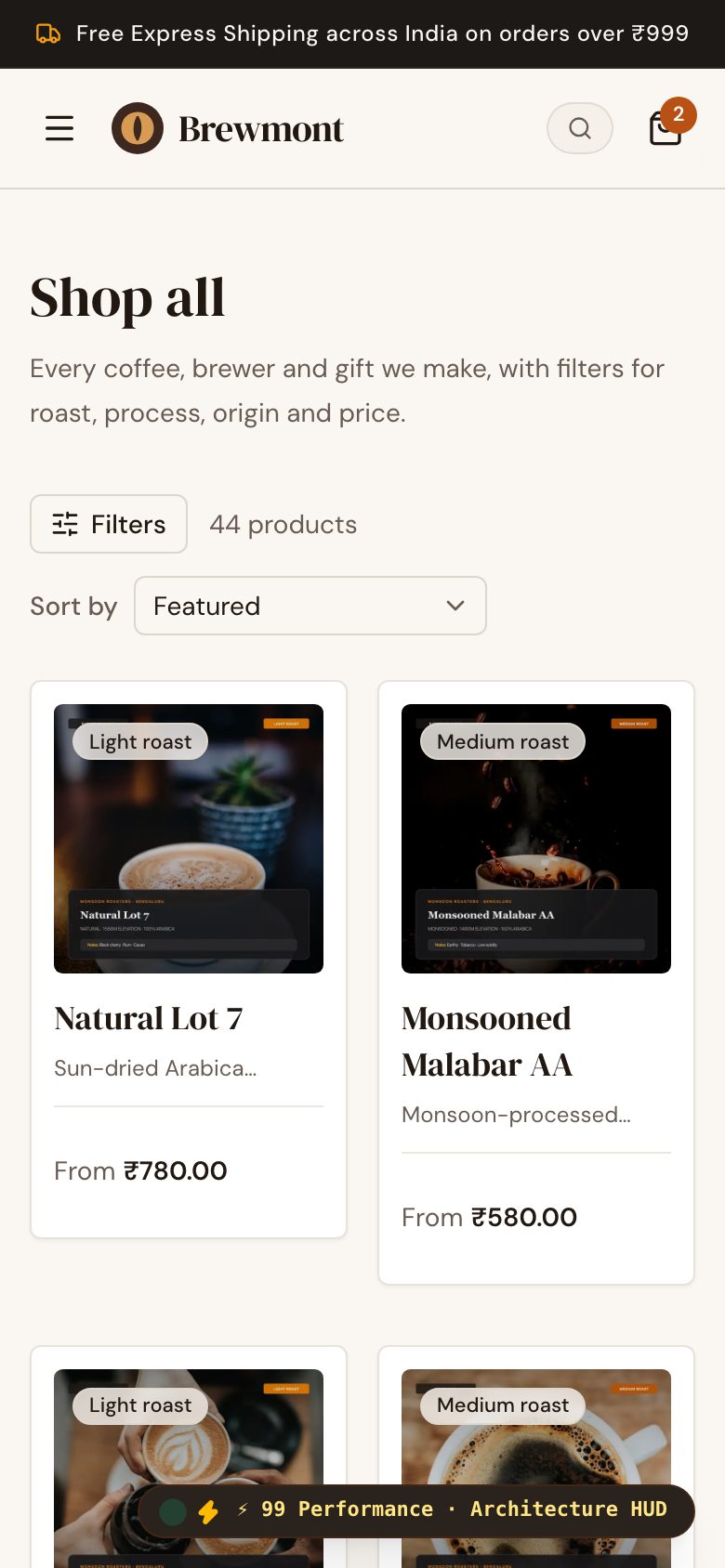
If you later sell beans or gift boxes online, a subscription delivery app or online store may help; see the live Brewmont concept build for what a coffee storefront can look like. A cafe's restaurant website also needs the basics: menu, hours and a map.
In the cafe library
More on starting a cafe
- Start hereThe full playbook →Models, licences, startup costs and the steps to your first customer.
- Go deeperWhat to buy →Espresso machine, grinders, water, fridges and smallware, costed, with what to rent and what to skip.
- Go deeperWho to hire →Head barista, counter, kitchen and cleaning roles in order, with pay, trade tests and shift rules.
- Go deeperFinding suppliers →Roasters, milk, bakes, packaging and equipment dealers: where to find, test, negotiate and back up.
Questions people ask
How do I get my first customers for a new cafe?
Start with people within five minutes' walk: offer a free small coffee to nearby shops and offices, post your location in resident and college groups, and complete your Google Maps listing with real photos. Add a stamp card from day one so the first visit becomes a second one. Footfall from reels is a bonus, not the plan.
Is Instagram enough to market a cafe?
No. Instagram builds interest, but most people choose a cafe through Google Maps and by walking past. Use Instagram for drinks, events and the space, and let your Maps listing, signboard and neighbours do the discovery. Track how people found you at the counter for a month before putting money into ads.
What launch offer works for a new cafe?
Value-adding offers work better than deep discounts: a free cookie with a large drink, a stamp card where the sixth drink is free, or a morning coffee and sandwich combo. These bring people back without making your base price look negotiable. Check the margin on each offer using your POS report before you promote it.
How do I handle customers who sit with laptops for hours?
Set clear, polite terms rather than shooing people away: a minimum order for every two hours, an hourly work pack, or work-friendly seating that is separate from the quick-turn tables. Display it on the menu. These customers are good when your cafe is quiet, so manage peak hours instead of banning them.
Should a new cafe list on Swiggy and Zomato?
Maybe, but later and with a short menu. The apps bring orders and take a commission, and your drinks must survive 30 minutes in a bag. Keep cold coffee, brownies and sandwiches for delivery, check the current commission and terms yourself, and compare it with selling through WhatsApp and your own link.