A new clinic gets its first patients from a correct Google Business Profile, a visible board, honest referrals from nearby chemists, labs and doctors, and the satisfaction of the first few families. Plan for a slow start; a first ten patients can take weeks, and a stable list takes months of consistent timings.
Medical advertising is restricted in India. The medical council rules for doctors, and your state's rules for clinical establishments, limit solicitation, claims, inducements and testimonials, and they have recently been tightened. Keep everything factual and check the current rules of your council and state before you publish anything. This page is general information, not legal advice.
What you may and may not do: read this before anything else
The usual position, which we have not verified against the official text for every state, is that a doctor may publish factual information such as name, qualifications, registration number, services, address, timings and fees, and may not solicit patients, make claims of superiority or cure rates, publish before-and-after pictures or run discount schemes that induce treatment. Paying for referrals or reviews is prohibited. Marketing agencies working for you are bound by the same limits.
| Usually fine | Usually restricted or prohibited |
|---|---|
| Board with name, qualification, registration number, timings | Words such as best, number one, guaranteed or painless |
| Google profile with accurate hours, photos of the clinic, services list | Posting patient testimonials or before-and-after photos |
| Educational health information in general terms | Offers, coupons or free-procedure schemes that encourage unnecessary care |
| Printed fee list at the desk | Paying or receiving commissions for referring patients |
| Telling existing patients about new timings or a new doctor | Cold messaging or calling lists of strangers to attract them |
| Asking patients for honest feedback in general | Paying, discounting or pressuring patients for reviews |
If a marketing agency, listing site or tele-calling firm proposes a lead-generation scheme, ask whether it fits your medical council's current advertising rules, in writing, before signing. Responsibility for the content rests with the doctor.
Get found when someone searches near them
Most first-time patients search for a doctor or a specialty plus a locality, usually on a phone, often in the evening. Make three things right and the rest follows.
- Google Business Profile: the right category (for example general practitioner or the specialty), exact timings including lunch breaks and holidays, a phone number someone answers, photos of the entrance, waiting area and consult room, and a clear list of services. Update the profile during festivals and doctor's leave; wrong timings produce the worst reviews. Our local SEO guide covers the setup.
- A plain website with the doctor's name, qualifications and registration number, services, address with a map, fees and an appointment link. No exaggerated claims. See the business website option.
- Visible signage: a board with name, qualification, specialty and timings at road level, in the local language as well as English; if you are on an upper floor, a second board at the building gate.
- Prescription and visiting card details matching the board and the Google profile, so that a patient who calls from the card reaches the same desk.
Referral networks that stay inside the rules
Referrals are the largest source of patients for most clinics, and the easiest place to cross an ethical line. The sustainable way is to be useful and visible without paying anyone.
- Chemists and pharmacies near you: tell them your timings and specialty, hand over a card, and ask them to share that information. Do not pay them per prescription, and do not require patients to buy only from one shop.
- Diagnostic labs: an agreement for sample collection and prompt reports is a good thing; a percentage payment for sending patients is not.
- Other doctors: referring a patient to a specialist because they need one, and getting referred in return, is how practices grow. Do it through a written referral note, not through payment.
- Physiotherapists, dieticians and counsellors: shared patients benefit from shared notes, with the patient's consent.
- Residents' associations and workplaces: offer a talk on a general health topic such as seasonal illnesses or screening, with the doctor leading and no promotion of products. Check whether your council allows you to be named as the speaker in the invitation.
Corporate, insurer and community tie-ups
Annual health check-ups for small offices, schools and housing societies produce steady volume and introduce the clinic to families. They need planning, not discounts.
| Tie-up | How it works | What to settle first |
|---|---|---|
| Small office or factory OPD | Fixed visits or camps; employees consult at a pre-agreed fee | Fee, number of visits, how records and privacy are handled, who pays for referrals to specialists |
| Society or apartment OPD slots | A monthly camp or a weekly slot at the community hall | Space, power, waste handling and who attends in an emergency |
| Insurer or TPA cashless OPD | Empanelment for outpatient claims with an insurer or third-party administrator | Paperwork, tariff, payment delays of weeks to months and the billing person who will chase claims |
| School or creche check-ups | Periodic screening camps arranged with the management | Consent from parents, privacy, follow-up through the family's own doctor |
Health camps are a common opening move. Keep them educational: measure vitals, offer a general consultation at the stated fee, tell people to see a doctor when something needs it, and never promise results. Keep records of who attended and obtain consent for any follow-up message.
Fees, timings and the first ten patients
In a clinic, launch pricing is mostly about being clear, not about being cheap. Many councils discourage discount-led promotion, so avoid a headline discount and instead publish a sensible, transparent fee.
- Consultation fee: a general practitioner in a tier-2 city commonly charges around ₹200–500, a metro GP ₹400–1,000 and a specialist ₹600–2,000 or more. These are estimates; check what nearby clinics charge and where you fit, and display the fee.
- Follow-up policy: state how many days a follow-up visit is free or reduced, such as the same problem within a stated number of days. Printing it on the card avoids arguments at the desk.
- Timings that suit the area: evenings and Sunday mornings in working neighbourhoods; mid-morning in retirement-heavy areas. Choose timings you can keep for at least six months.
- Appointment slots and walk-ins: give walk-ins a token and appointment patients a slot, and explain how emergencies are handled.
- First ten patients: ask your own family, neighbours and friends to book honest visits for real concerns, and treat each as a trial run of the desk, the queue and the billing. Fix what breaks before the next ten.
Do not give free consultations to attract people or buy reviews. Some doctors offer concession or free care for those who cannot pay as a matter of conscience; if you do, keep it consistent, private and not advertised.
Turn the first visit into a family
A clinic's growth is mostly repeat visits and referrals from within families. The experience around the consultation decides whether a patient returns.
- Short, predictable waits: show queue position, and message patients if the doctor is running late. Silence angers people more than delay.
- Clear explanation and written instructions: a prescription in a legible hand or print, in the language the patient reads.
- Follow-up reminders only with consent: a message such as 'Your follow-up with Dr X is due on Friday. Reply to confirm or change.' is helpful and sent only to those who asked for it.
- One record per family: link family members so that the desk can find a parent's and child's file together. A patient who has to start from zero each visit moves to a clinic that remembers.
- Ask for feedback privately at the end of a visit and fix what you hear. Do not solicit public reviews in return for anything.
- Language and manners: greet by name, explain fees before treatment, and keep the clinic clean; these are the things patients repeat to relatives.
Measuring what works
Count, each week: new patients, repeat patients, no-shows, walk-ins versus appointments, how patients heard of the clinic (ask politely at registration), and average waiting time. Ten rows in a sheet are enough.
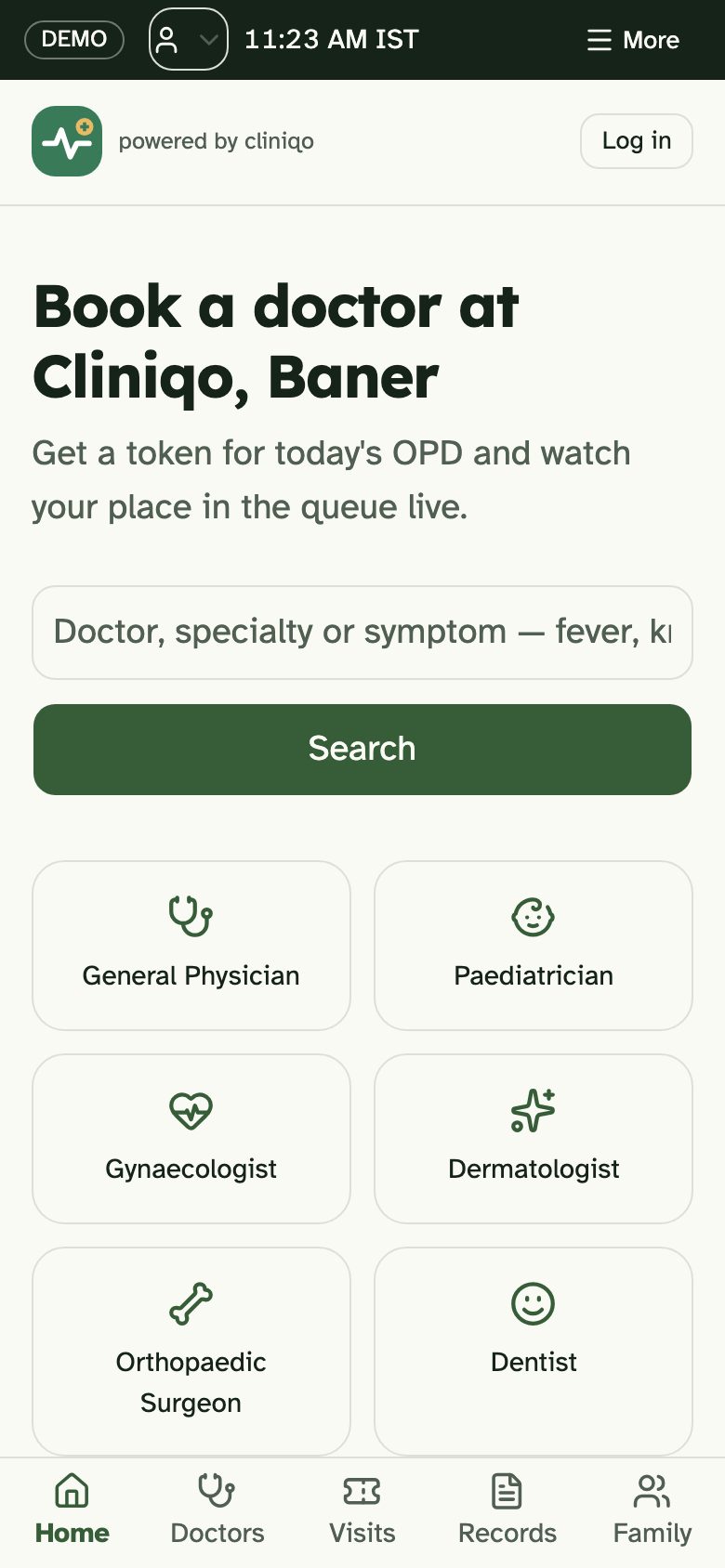
After a quarter you will know whether your patients come from the Google profile, the board, the chemist next door or a society camp, and you can put effort where it counts. Use plain, honest messages and keep a record of what you published so that you can show your council exactly what was said. Send reminders and messages through the WhatsApp Business channel with consent, and add booking and queue features through a doctor appointment app when evenings get crowded. For the starting checklist return to the clinic playbook, and for the equipment side see what to buy for a clinic.
In the clinic library
More on starting a clinic
- Start hereThe full playbook →Models, licences, startup costs and the steps to your first customer.
- Go deeperWhat to buy →Consult room kit, diagnostics, sterilisation and power backup, costed, with what to rent or defer.
- Go deeperWho to hire →Front desk, nurse, visiting doctors and contracts in hiring order, with pay by city tier.
- Go deeperFinding suppliers →Medicine and consumable dealers, equipment vendors, lab and waste partners: where to find and vet them.
Questions people ask
Can a doctor advertise a clinic in India?
Only within the limits set by the medical council. Factual information such as name, qualifications, registration number, timings, services and fees is generally acceptable, while soliciting patients, claims of superiority, testimonials and inducements are restricted. Rules have been updated recently and vary by state, so check your council's current guidelines or a healthcare lawyer before publishing.
Is a Google Business Profile allowed for a clinic?
A profile with accurate factual details, such as hours, address, services and photos of the premises, is widely used by clinics. Avoid superlatives and avoid asking for reviews in exchange for discounts. Check the current council rules on public reviews and testimonials, since some guidance discourages doctors from soliciting or sharing them for promotion.
Can I pay chemists or labs to refer patients?
No. Referral commissions and kickbacks are prohibited under medical ethics rules and put your registration at risk. You can legitimately introduce yourself to nearby chemists and labs, share timings and agree service terms for sample collection. Refer patients based on their needs and keep any commercial arrangement separate from the referral.
How long does it take for a new clinic to get busy?
Most take several months to build a steady patient list, and the first weeks can be quiet. Consistent timings, accurate online listings and good experience of the first patients matter more than a launch event. Budget working capital for at least three to six months of rent and salaries before patient volume supports them.
What should a clinic charge for a consultation?
Check what comparable clinics near you charge and set a fee that fits your experience and costs. Typical estimates are ₹200–500 for a tier-2 city GP, ₹400–1,000 in a metro and higher for specialists. Display it openly, define follow-up validity, and avoid discount-led promotion that some council rules discourage.