A new vet clinic gets its first pet parents through people who meet them first: groomers, pet shops, trainers, boarders and rescuers, plus a Google profile that answers the phone. The best opening hook is a puppy or kitten first-year package, because those owners need a dozen planned visits. Your reminders then do most of the retention work.
Pet parents are anxious and compare prices out loud in society groups. They remember whether you explained costs before treating, and whether you called back. Veterinary councils and codes of ethics may limit how clinics advertise, so keep every message factual and avoid promising outcomes. This page covers channels, launch pricing and a recall system; the playbook covers licences and set-up.
Who your customers are and why they switch
| Pet parent | What triggers a first visit | What makes them stay |
|---|---|---|
| New puppy or kitten owner | Vaccination schedule and deworming; the breeder or shop says see a vet | A friendly first visit, a written schedule and reminders they do not have to track |
| Adult dog owner relocating or fed up with a distant vet | A cough, a limp, itching, or a new city | Evening hours, a clear price list and a vet who explains |
| Cat owner | Annual vaccination, a fight wound or a litter-box change | A cat-friendly waiting corner and no barking dogs in view |
| Rescuer or feeder of street animals | Injured stray, sterilisation or a vaccine camp | Fair pricing and a clinic that does not judge |
| Owners of breeds with recurring needs | Skin, ear, dental or joint check-ups | Planned packages and a vet who knows the history |
Referral partners that actually send people
Most pet parents ask someone they trust before they pick a vet. Visit these people in person, with business cards and an honest explanation of what you treat, and what you will refer to a specialist.
- Groomers (see pet grooming): they spot ear infections, skin problems and lumps and are asked who to see. Offer to return the favour.
- Pet shops and food retailers (see pet shop): ask to leave a card at the billing counter, and stock the diet they recommend after a consultation.
- Trainers and boarders: they ask for vaccination proof, so owners come to a vet right before boarding. Be quick with certificates and cards.
- Breeders: useful, but be careful. Do not endorse unlicensed breeding or accept payments that look like commissions.
- Rescue and feeding groups: they run the busiest WhatsApp groups. Offer a clear low-cost price list for sterilisation or vaccine camps, with limits you can sustain.
- Housing societies and RWAs: pet-owner groups and welfare committees. Ask permission before you plan a camp.
Google, WhatsApp and the phone
People search for a vet when something is wrong. Your listing has to answer the three questions they have in a hurry: Are you open? Do you treat my animal? Will someone pick up?
- Google Business Profile: exact hours, species treated, emergency policy in the first line of the description, and photos of the waiting area and consult room. Follow the checklist in our local SEO guide.
- One WhatsApp number for appointments and reports, using the approach in WhatsApp for business; do not send long clinical advice by chat.
- Price list on the website and at reception: consult, vaccines, deworming, sterilisation bands, basic bloodwork, X-ray per view. A published list removes the awkwardness of asking.
- Phone discipline: one trained person answers, and missed calls are returned the same day. A missed call about a sick animal is a lost owner.
- Reviews: ask after a planned visit in a polite message, never during a crisis, and respond to every review without sharing clinical details.
Clinic advertising may fall under professional conduct rules set by the veterinary councils. I have not verified current wording for each State; check with your State Veterinary Council before running paid ads or discount offers.
The first ten customers
- Tell every groomer, shop and boarder within 3 km that you are opening, and invite them in for a clinic tour.
- Offer a free first-visit weigh-in and body check for puppies and kittens, with the actual vaccination and deworming charged at your normal rates.
- Run a two-hour open morning in one housing society: consult room open, reception answering questions, no hard selling.
- Call each early customer two days after the visit; ask how the pet is, and note any worry for the vet. This single call earns more referrals than any post.
- Ask early customers whether they would be comfortable introducing you in their building's pet group, and let them decide.
- Offer the first ten neighbourhood rescuers a fixed low-cost sterilisation day with a clear cap on numbers.
- Keep a simple sheet: where each new owner heard of you, and what they came for. After thirty entries you will see where to spend time.
Launch pricing without racing to the bottom
| Service | Estimated range (tier 2 city) | Pricing note |
|---|---|---|
| Consultation | ₹300–600 | Follow-up within a week at a lower fee |
| Vaccination visit (excluding vaccine cost) | ₹100–300 | Vaccine price is the manufacturer's, shown separately |
| Puppy or kitten first-year package | ₹3,000–7,000 in total | Set a scope in writing: which visits, which vaccines, which dewormers |
| Basic bloodwork via outsourced lab | ₹800–2,500 | Say that the lab fee is passed on at cost plus handling |
| X-ray per view | ₹500–1,500 | Often with a reporting fee if a radiologist reads it |
| Sterilisation, dog or cat | ₹3,000–9,000 | Depends on size, anaesthesia and hospital stay |
Resist copying the cheapest clinic. A fee low enough to be sure of losing money on surgery will push you to rush. Instead, publish bands, explain why a procedure costs what it does, and show an estimate before treatment starts. Owners forgive high prices more easily than surprises.
Keeping pets coming back
A vet clinic's real engine is the recall list. A dog that is vaccinated yearly for ten years is worth far more than a single emergency visit.
- Reminder cycles: vaccine due dates, deworming, annual check and tick-and-flea products, sent by WhatsApp or SMS a week before and again on the due date. The schedule is set by your vet.
- Wellness plans: a prepaid annual plan with a consult, vaccines and a check at a fixed price. Write what is included and what is not.
- Senior check-ups: a once-a-year reminder for older animals, offered as a check, not a scare.
- Written discharge notes after any procedure, with the clinic's number for questions.
- Condolence follow-up after a pet's death: a short call or card. People remember it for years and it keeps you out of any retention-offer mindset.
- Multi-pet households: one family record with each animal's dates, so you never ask for the same history twice.
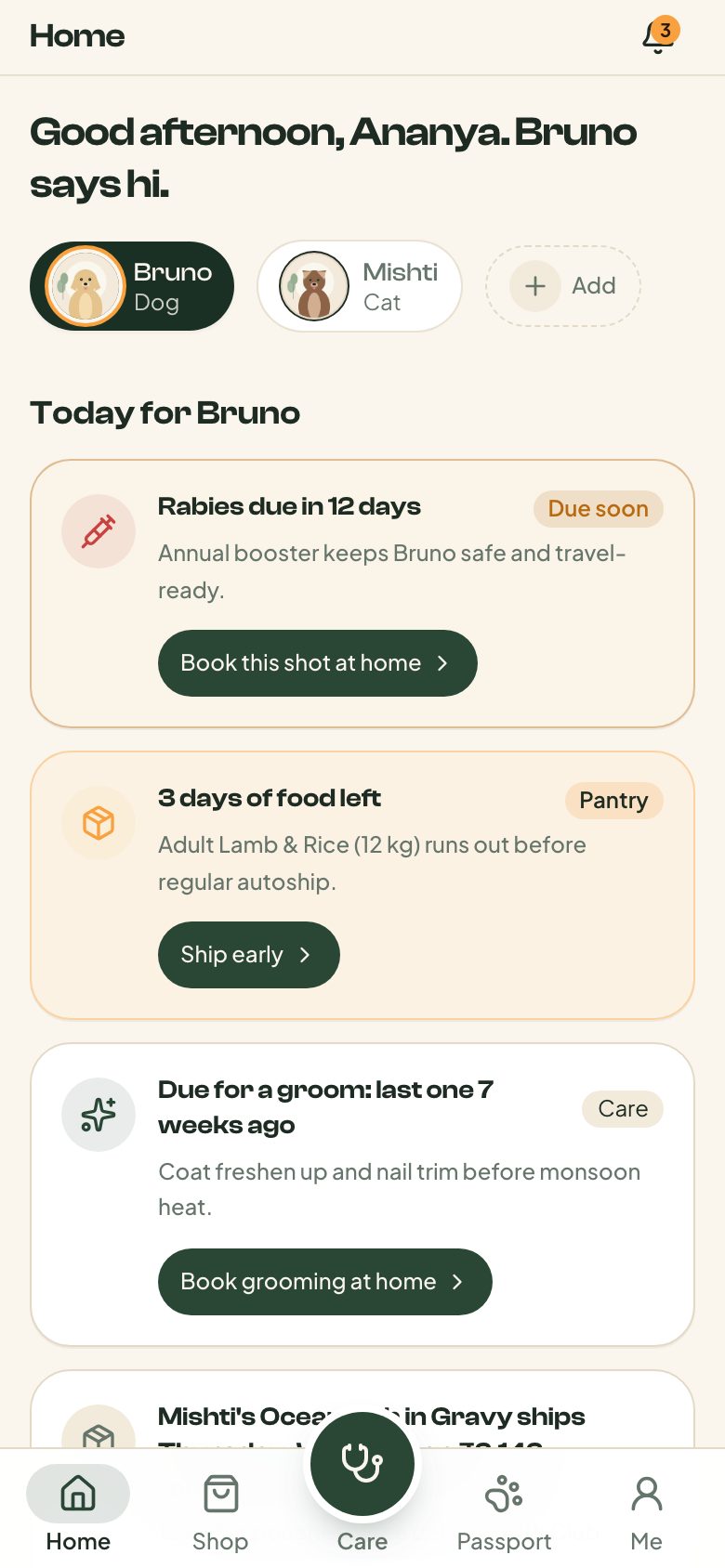
A reminder tool that reads your pet records saves hours; see software for a veterinary clinic. If you want a website that carries your price bands and booking, a business website is usually enough. The Tailwise concept build shows how pet profiles and reminders look in an owner's app.
More on starting a veterinary clinic
- Start hereThe full playbook →Models, licences, startup costs and the steps to your first customer.
- Go deeperWhat to buy →Consult kit, vaccine fridge, anaesthesia, X-ray, kennels and waste bins, costed, with what to delay.
- Go deeperWho to hire →Vets, vet technicians, ward staff and front desk, with pay estimates, vetting tests and contracts.
- Go deeperFinding suppliers →Vaccines, drugs, consumables, outsourced labs and service partners: where to find and vet them.
Questions people ask
How does a new vet clinic get its first customers?
Most come through referrals from groomers, pet shops, trainers, boarders and rescue groups, plus a complete Google Business Profile that answers the phone. A puppy or kitten first-year package gives new owners a reason to start with you. Visit these partners in person before opening and follow up with every first-time owner by phone.
Can a veterinary clinic advertise or offer discounts?
Possibly, but professional conduct rules set by veterinary councils may limit how clinics advertise, and I have not verified the current wording for each State. Keep your messages factual, avoid promising outcomes, and ask your State Veterinary Council before running paid ads or discount campaigns. Publishing your price list is generally a safer way to build trust.
What should a vet clinic charge at launch?
Set fees against local clinics and the cost of your own time, drugs and consumables. As a rough estimate in a tier-2 city, consultations fall around ₹300–600 and a puppy first-year package ₹3,000–7,000. Avoid pricing so low that surgery is rushed. Publish bands and give a written estimate before any procedure.
How do I keep pet parents coming back?
Use a reminder system for vaccines, deworming and annual check-ups, keep one record per pet, and call after procedures. Offer a clear wellness plan instead of ad-hoc discounts. Pets that are reminded on time visit more often, and owners who are called back refer you to their building's pet group.
Is it worth running a free vaccination camp?
It can be, if you plan it carefully. Get permission from the society, bring a proper cold box and a qualified vet, keep records for every animal, and ask owners to book their next visit before leaving. A camp with no follow-up and no cold chain does more harm than good. Check any local rules on camps.