Hire a head cook first, then one line cook or helper per extra burner, then a dedicated packer, and last a part-time manager or supervisor when you stop being on the floor. Pay your head cook well and write the recipes down, because a kitchen that lives in one person's head closes the day he does not turn up.
As a ballpark, a small single-brand kitchen runs on four to six people across two shifts, with monthly pay for the whole brigade around ₹70,000–1.4 lakh in a tier-2 city and more in a metro. Staff turnover is the biggest hidden cost: kitchen workers change jobs often, so build a kitchen that can train a new helper in a week.
The roles, in the order you actually need them
| Role | What they do | When to hire |
|---|---|---|
| Head cook or chef-owner | Builds recipes and the prep list, cooks the signature dishes, sets taste standards, trains the team | Before opening; this is the hire the brand depends on |
| Line cook or second cook | Runs a station (tandoor, fry, tawa, gravy) during the peak | When one cook cannot clear the dinner peak; usually in the first month |
| Packer and dispatcher | Checks each order against the ticket, seals the bag, hands over to the rider and keeps the pass clean | As soon as you cross about 15–20 orders in a peak hour |
| Kitchen helper (prep) | Washing, cutting, marinating, portioning; works the morning prep shift | At opening, one or two |
| Dishwasher and cleaner | Pot wash, floors, bins and the closing clean; often combined with a helper at the start | When pots start piling up |
| Order desk or kitchen manager | Accepts orders, handles cancellations, cash and platform payouts, orders stock | When you stop being in the kitchen every service |
If you cook yourself, you can delay the head cook, but then you are the single point of failure. Decide who runs a service when you are ill, and train that person before you need them.
What each role is paid
| Role | Tier-2 city (monthly) | Metro (monthly) |
|---|---|---|
| Head cook or chef | ₹25,000–45,000 | ₹35,000–70,000 |
| Line cook or tandoor cook | ₹16,000–28,000 | ₹22,000–40,000 |
| Packer and dispatcher | ₹11,000–16,000 | ₹14,000–22,000 |
| Kitchen helper | ₹10,000–15,000 | ₹13,000–20,000 |
| Dishwasher and cleaner | ₹9,000–13,000 | ₹12,000–17,000 |
| Kitchen manager or order-desk lead | ₹20,000–35,000 | ₹28,000–50,000 |
Tandoor, wok and biryani specialists often earn more than the generic range. In many kitchens, food on duty and sometimes staff accommodation near the kitchen are part of the package, which can matter more to a worker than a few thousand rupees. Account for them in your costing.
Late-night shifts, split shifts and weekend peaks are the norm in delivery. Pay for them clearly, either as an overtime rate or a fixed night allowance, and write down how your shift schedule works so there are no surprises.
Where to find kitchen people
- Other kitchens' alumni: ask your head cook who they have worked with. Referrals from a trusted cook are the fastest way to a good line cook.
- Hotel management and culinary institutes: local catering colleges and institutes place interns and fresh graduates. Good for helpers you train in your own style, weak for fast-paced peak service.
- Local labour contractors and mess networks: in many cities there are known sources of cooks and helpers, often from specific regions. Ask nearby restaurants and tiffin services whom they would recommend.
- Job apps and boards: Apna, Indeed and WorkIndia list kitchen jobs in many cities, and WhatsApp groups of local food businesses often post openings. We have not verified how any of these fits your city.
- Walk-ins at peak hours: a quiet word with a cook working a busy stall can lead to a good hire, though you must offer a clear step up.
Don't poach from a neighbouring kitchen that is also a supplier or landlord. It costs you the relationship you need more.
The trial shift: vetting a cook before you hire
A resume tells you little. Run a paid trial shift of half a day, with a fixed task and a checklist, before you offer a job.
- Cook your signature dish from your written recipe, twice, and check whether the second plate tastes like the first.
- Time a mock peak: give five tickets at once and watch whether the cook plans, calls out times and stays clean.
- Hygiene habits: does he wash hands between raw and cooked, wear a hair cover, use the right chopping board, taste with a clean spoon?
- Ask about food costing: how would you reduce wastage on this dish? A good cook has an answer.
- Reference check: call the previous kitchen, and ask why the person left and whether they would rehire.
- Attitude to written recipes: a cook who refuses to measure will not give you consistency across shifts.
Food handlers should be medically fit and trained in basic hygiene. FSSAI licensing rules refer to trained food safety supervisors and health checks for staff; the exact requirement depends on your licence and premises, so confirm on the FSSAI portal or with your consultant.
Salaried, daily-wage or contract: what suits
| Arrangement | Pros | Cons | Suits |
|---|---|---|---|
| Monthly salary | Predictable, builds loyalty, easier to train | Fixed cost even on slow days | Head cook, packer, kitchen manager |
| Daily wage | Matches cost to orders | High turnover and little incentive to learn | Peak-day helpers and weekend cover |
| Per-shift part-timers | Covers lunch and dinner peaks only | Hard to keep consistent | Packers and runners during peaks |
| Consultant chef for menu design | Brings expertise without a full salary | You still need your own cook to run it daily | Menu development and launch month |
| Contractor or manpower agency | Quick replacement and payroll handled | Margin on top, weaker loyalty | Cleaning and basic helpers |
Whatever the arrangement, give a written offer letter with pay date, shift timings, notice period and leave. Check your state's rules on Shop and Establishment registration, provident fund, ESI and bonus, which can apply once you have a certain number of staff. Confirm the thresholds with a CA or the labour department; we have not verified current limits for any state.
Keeping the team and making the kitchen survive turnover
- Write the recipes down in grams and spoons, with photos of the finished dish in its box. A new cook can then match it within days.
- Prep lists per shift: a laminated sheet at each station naming what must be ready before the peak.
- Cross-train: every helper should know two stations, so a missing cook does not stop service.
- Pay on time, every month, and keep a small advance fund so a helper is not forced to leave over a family emergency.
- Daily five-minute huddle: review yesterday's complaints and cancelled orders by cause.
- Incentives that fit the work: a small bonus linked to ratings and zero-complaint days is easier to justify than a vague performance bonus.
Track staff cost as a share of sales. If it drifts well above your plan, look at order volume per shift before cutting people; the answer may be a better prep schedule. The cloud kitchen playbook shows how pay fits the overall budget.
When you eventually need a manager, and a kitchen tool
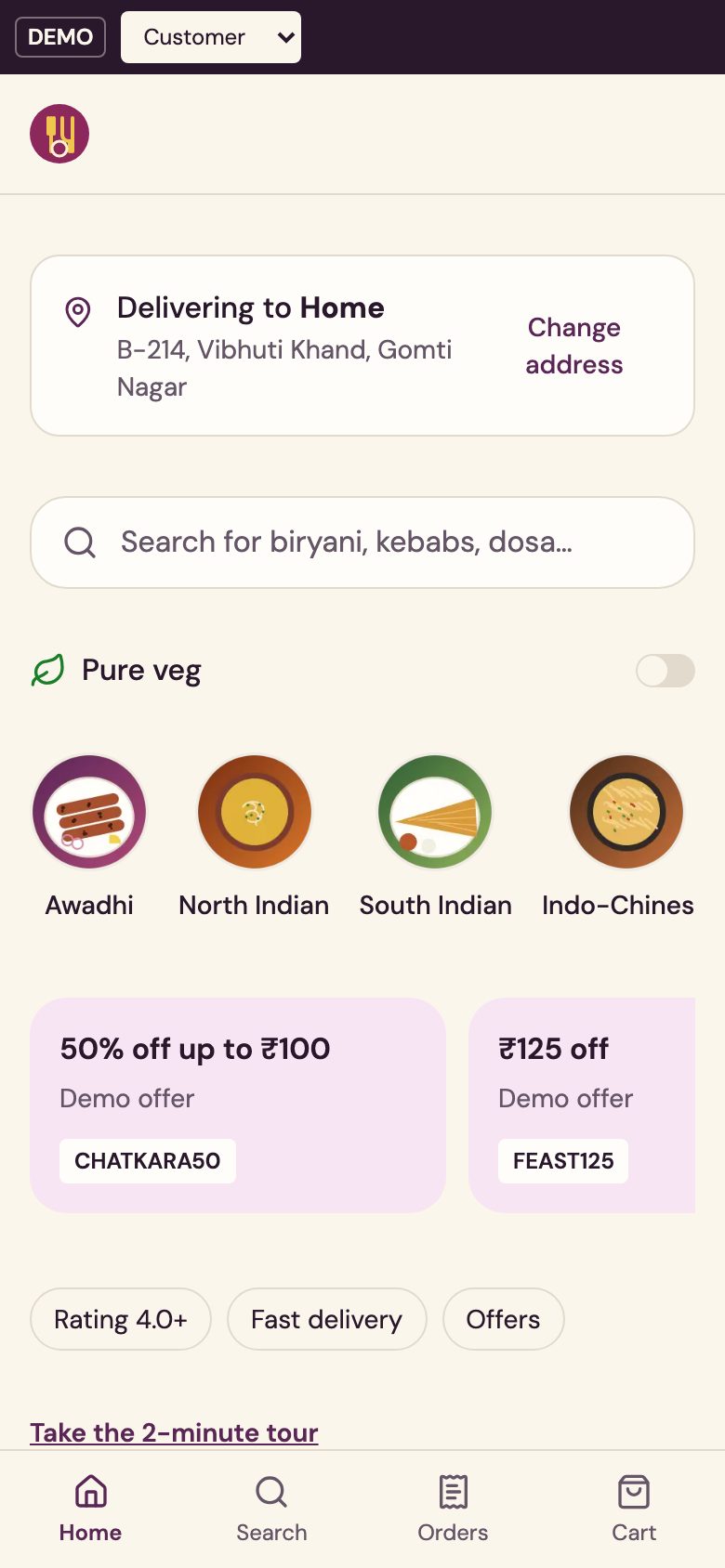
When you have two or more shifts, a rider flow and several platforms, someone has to watch the tablets while the cook cooks. That person accepts orders inside the platform's time limit, flags out-of-stock dishes and reconciles the day's cash and payouts. The software page covers how a single order screen takes part of that load, and our concept Bitevia shows a kitchen screen with a countdown to accept an order.
Before you hire a manager, write down exactly which decisions they can make (discount a dish, mark an item unavailable, refund a customer up to a limit). Without limits, a new manager either asks you every time or gives away your margin.
Before you hire anyone
More on starting a cloud kitchen
- Start hereThe full playbook →Models, licences, startup costs and the steps to your first customer.
- Go deeperWhat to buy →Range, exhaust, cold chain, packaging and the order tablet, costed, with what to rent or skip.
- Go deeperGetting customers →Platform listing craft, launch offers, WhatsApp regulars and the move to your own ordering link.
- Go deeperFinding suppliers →Mandi, meat, dairy, dry grocery, gas and packaging sources, with vetting, terms and backups.
Questions people ask
How many staff does a small cloud kitchen need?
A small single-brand kitchen usually runs on four to six people across two shifts: a head cook, a line cook, a packer, one or two helpers and a cleaner. If you cook yourself, you can start with fewer. Add staff only when peak-hour orders are slowing the whole kitchen, not before.
What salary should I pay a cook for a cloud kitchen?
As a rough estimate, a head cook earns ₹25,000–45,000 a month in a tier-2 city and ₹35,000–70,000 in a metro, with specialists like tandoor cooks often higher. Food on duty or accommodation can change what a worker accepts. Check local rates and your state's minimum wage before you fix pay.
How do I test a cook before hiring?
Run a paid half-day trial. Ask the cook to make your signature dish twice from your written recipe, handle five tickets at once, and follow hygiene steps like hand washing and separate boards. Call the previous kitchen for a reference. Consistency and cleanliness matter more than a long resume.
Do I need a chef or can a home cook run the kitchen?
A trained chef is not essential if your menu is simple and your recipes are written and tested. What matters is a cook who can hold taste and speed at peak and follows hygiene routines. Many successful kitchens run on an experienced home or mess cook with a clear recipe book and a good prep list.
How do I reduce staff turnover in a kitchen?
Pay on a fixed date, give a clear shift schedule, provide staff meals and show a path to a better role. Write recipes down so a leaver is replaceable. Turnover will never be zero in kitchens, so design for it with cross-training and short onboarding rather than relying on one person.