The short answer
Start with one activity in one region you know well, run it safely, and expand only after a full season of trips. Register with the state tourism department, check whether your activity needs its own state licence, follow the Ministry of Tourism's safety guidelines, and hire certified guides before you spend on a website. In this trade a single accident can end everything, so safety systems come before marketing.
As a ballpark, a small trekking and camping outfit in a hill state can start for roughly ₹7–18 lakh, mostly on gear, a base and insurance. A multi-activity operation with rafts, a fixed campsite and vehicles often needs ₹55 lakh to ₹1.1 crore. This guide covers the models, the permits, the setup money, launch steps, running trips, finding guests and booking tech.
Is an adventure tourism business right for you?
More Indians now spend weekends and holidays on treks, river trips and camping instead of only sightseeing, and colleges and companies book outdoor programmes for their groups. Himalayan treks, rafting, paragliding, diving on the coast and cycling tours all draw seasonal demand from domestic travellers, with foreign visitors on top in some places.
It suits people who already trek, climb, paddle or dive, hold proper certifications, and can run logistics in places with no mobile signal and changing weather. You must be comfortable turning back a paying group when the river is high or a pass closes. It suits less well anyone who wants year-round income from one spot, because most activities run in seasons.
The hard parts: short seasons, weather cancellations and refund arguments, keeping trained guides through the off months, gear that wears out, insurance, and local permissions that change from one valley to the next. A rescue plan costs money you hope never to spend.
Business models to choose from
| Model | How it works | Suits |
|---|---|---|
| Trek operator | Fixed-departure and private treks with guides, cooks and camps | Hill states with a steady flow of weekend and holiday trekkers |
| Rafting or water sports | River runs, kayaking or coastal water sports from a fixed base | Rivers and coasts where the state issues activity licences |
| Aerial activities | Tandem paragliding or similar flights from an approved site | Known flying sites; needs certified pilots and close regulation |
| Campsite and outdoor centre | A fixed camp with rope courses, rappelling and nature walks | Weekend getaways near cities, school trips and corporate groups |
| Experience reseller | You sell trips run by other licensed operators and earn a margin | Strong marketers; you still answer for quality |
| Corporate and school programmes | Team-building and learning outings built around outdoor activities | Operators near metros with a dependable safety record |
Combine a campsite with rooms and meals and you are close to running a homestay. Selling other operators' trips as packages moves you toward a travel agency, which carries its own paperwork.
Licences and registrations
| Registration | Why you need it | Where you get it |
|---|---|---|
| Adventure or tour operator registration | Many states require adventure operators to register with the tourism department | State tourism department or its online portal |
| Activity licences | Rafting, paragliding and trekking are licensed separately in some hill states, such as Uttarakhand and Himachal Pradesh | State tourism department or the authority it names for each activity |
| Ministry of Tourism safety guidelines | National guidelines set safety standards for land, air and water activities, and states and insurers expect you to follow them | Ministry of Tourism |
| Certified guides and instructors | Guides need recognised training in their activity, first aid and rescue | Recognised mountaineering, water sports and aero sports institutes |
| Forest and protected-area permits | Treks and camps inside forests, national parks or sanctuaries need entry permits | State forest department |
| Restricted-area permits | Some border and northeastern regions require inner line or protected-area permits for visitors | The state government or authority that issues them |
| Insurance | Public liability, guest accident and equipment cover | General insurers |
| GST registration | Tour and activity services are taxable | GST portal |
| Shop & Establishment registration | Covers your office and staff | State labour department or municipal body |
Write a waiver and a risk briefing for every activity, and have each guest sign before they start. A waiver does not excuse negligence, but it records that the risks were explained. Keep a written emergency plan for each route: nearest medical help, evacuation options and who calls whom.
Adventure rules vary sharply between states and are often tightened after accidents. Confirm what applies to each activity and site with the state tourism department, the forest department and a CA. This is not legal advice.
What it costs to start
| Item | Small start | Larger setup |
|---|---|---|
| Tents, sleeping bags and camp kitchen | ₹2–4 lakh | ₹8–15 lakh |
| Safety gear, rescue kit and first aid | ₹1–2 lakh | ₹4–8 lakh |
| Activity equipment (rafts, harnesses, ropes) | ₹50,000–1.5 lakh | ₹10–20 lakh |
| Base office and store, with deposit | ₹50,000–2 lakh | ₹3–8 lakh |
| Campsite lease, platforms and toilets | Hired camps | ₹10–25 lakh |
| Vehicles | Hired per trip | ₹8–15 lakh |
| Guide training, certification and first aid | ₹50,000–1.5 lakh | ₹2–4 lakh |
| Insurance, registrations and permits | ₹50,000–1.5 lakh | ₹2–5 lakh |
| Wages before the season starts | ₹1–2 lakh | ₹4–8 lakh |
| Website, photos and launch marketing | ₹1–3 lakh | ₹3–6 lakh |
| Rough total | ₹7–18 lakh | ₹55 lakh–1.1 crore |
Gear is a recurring cost, not a one-off. Ropes, harnesses and life jackets have service lives and must be retired on schedule, and tents take a beating every season. Budget for replacements each year, and keep enough cash to pay your guides through the months with no trips.
Use these ranges to test whether a plan holds together. They are not quotes, and prices for gear, land and insurance differ by region and activity.
Step by step: from idea to first customer
- Pick one activity and one region you know personally, and walk or paddle every route yourself before you sell it.
- Get certified, and make sure each guide you hire holds recognised training in the activity and in wilderness first aid.
- Visit the state tourism and forest offices to learn which registrations, activity licences and entry permits cover your routes.
- Register the business and apply for GST, then file the tourism registration in its name.
- Buy or rent certified gear and start a log for every rope, harness and life jacket: purchase date, uses and inspections.
- Write operating procedures: guest-to-guide ratios, weather cut-offs, turnaround times and what happens when someone is hurt.
- Arrange insurance for guests and public liability, and get in writing what it covers.
- Build local relationships: village stays, cooks, pack-animal owners and drivers along each route, paid fairly and on time.
- Run trial trips at a discount for friends and experienced trekkers, then fix the gaps they point out.
- Publish fixed departures with honest difficulty grades, inclusions, a fitness note and a clear cancellation policy.
- Brief every group before they set off, collect waivers and medical declarations, and debrief guides after each trip.
Running it day to day
In season, a trip day starts before dawn with a weather check, gear issue and a briefing, and ends at camp with a headcount, a hot meal and tomorrow's plan. Back at base, someone answers enquiries, confirms bookings, arranges transport and keeps the next group's permits ready. The off months are for training, gear repair and selling next season.
- Weather calls: decide early, explain why, and offer a new date or a credit. A cancelled trip costs far less than an accident.
- Ratios: keep enough guides per guest for the terrain, with a sweep guide at the back of every trek.
- Gear checks: inspect safety equipment before and after every trip, and retire anything doubtful.
- Local goodwill: carry out all waste, follow forest rules and pay village suppliers properly. Officials and villagers remember operators who don't.
- Records: keep guest lists, waivers, medical declarations and incident reports for every departure.
Getting your first customers
Adventure travellers plan on Instagram and YouTube and book where the trip looks real. Short clips from your own trips, with honest difficulty and your actual guides, persuade better than stock footage. A Google Business Profile at your base helps people already in town find you on the day; our guide to websites for stays covers the search basics for travel businesses too.
- Fixed departures: publish dates months ahead so groups of friends can plan their leave around them.
- Colleges and companies: offer structured outdoor days for student clubs and team outings.
- Hostels, homestays and cafés: walk-in travellers ask them what to do, so give them a commission and printed trip cards.
- Trekking communities: answer questions in forums and groups helpfully, without spamming them.
- Past guests: people who finished an easy trek come back for a harder one, so tell them about next season first.
The tech you need
On day one, a booking form that takes an advance, a WhatsApp number that replies fast, a simple roster of guides and gear, and digital waivers are enough. As departures multiply, you'll want a website with trip pages, batch dates and seats left, online payment with a clear refund policy, and a staff app for guide assignment and offline trip checklists.
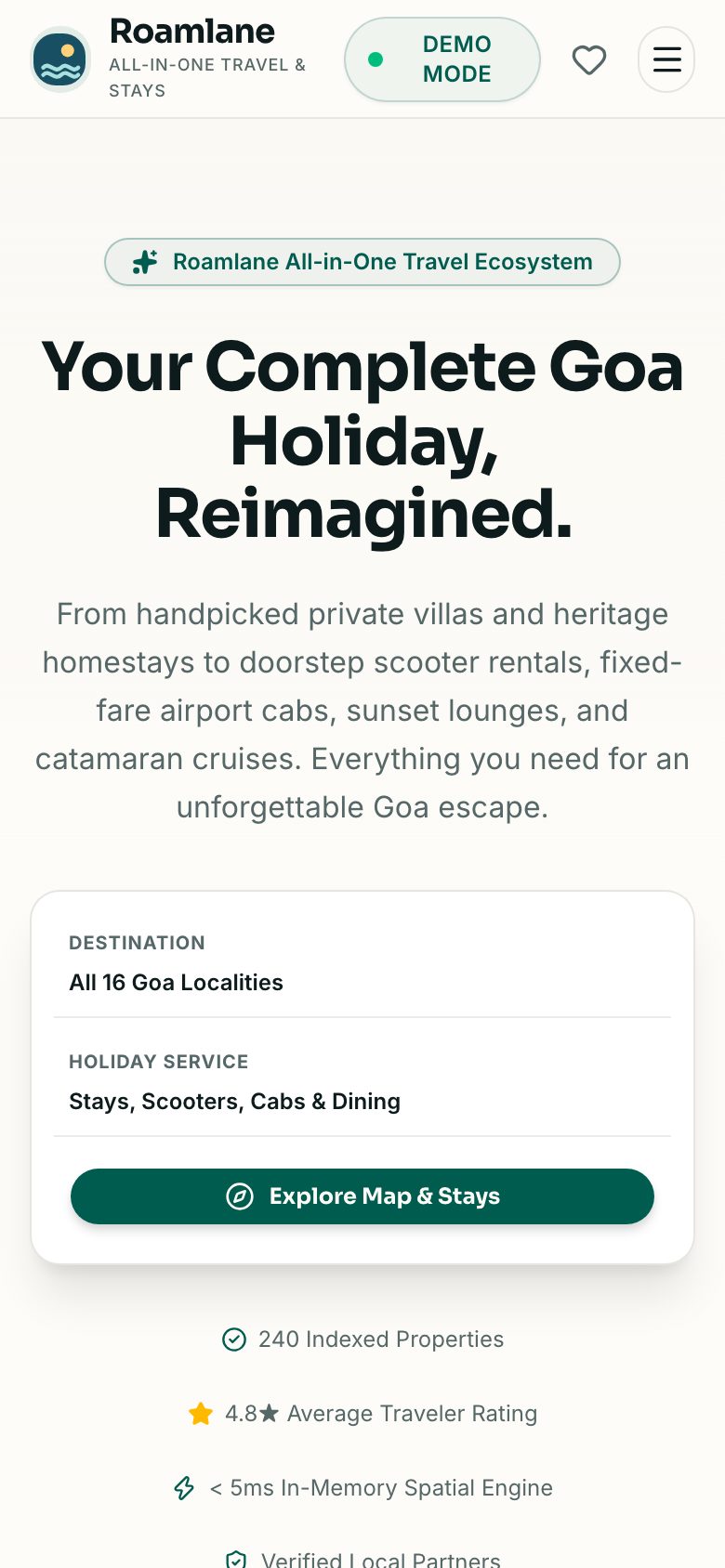
Our concept build Roamlane puts stays, food, scooters and taxis for a holiday region into one listings and search interface. For an adventure operator, the same structure lists treks, rafting runs and campsites with dates, maps and filters. See what a booking website for trips involves, look at an event booking app for fixed-date batches with seat limits, or send us a brief for a fixed quote.
See the app a adventure tourism business runs on
We designed and built this concept end to end, every side of it, so you can open it and try it before you plan your own. Our travel booking website page covers the features, timeline and what moves the cost.
Questions people ask
Do I need a licence for adventure tourism in India?
Often yes, though it depends on the state and the activity. Many states require adventure operators to register with the tourism department, and some hill states regulate rafting, paragliding and trekking separately. Treks in forests or protected areas need entry permits too. Check with the state tourism and forest departments before you sell a single trip.
How much does it cost to start an adventure tourism business?
A small trekking and camping operator in a hill state can start for roughly ₹7–18 lakh, mostly on gear, a base, training and insurance. A multi-activity setup with rafts, a fixed campsite and vehicles often needs ₹55 lakh to ₹1.1 crore. Set money aside for gear replacement and off-season wages as well.
What qualifications do adventure guides need?
Guides should hold recognised training in their activity from a mountaineering, water sports or aero sports institute, plus a current wilderness first aid certificate. Some states register or certify guides and pilots directly. Beyond certificates, look for real experience on your routes, calm judgement and the confidence to turn a group around when conditions change.
How should I handle cancellations because of weather?
Write the policy before you sell anything. State that the operator may cancel or change a trip for safety, and what guests receive, such as a new date, a credit or a partial refund. Explain it at booking and again before departure, make the call early on the day, and keep guests informed throughout.
Is adventure tourism a seasonal business?
Mostly, yes. Himalayan treks are busiest before and after the monsoon, rivers are run only in certain months, and coastal activities pause in heavy rain. Many operators fill the gaps with a second region or activity in a different season, corporate and school programmes, or winter treks, so their guides stay employed all year.


