The short answer
A travel agency plans and sells trips: tour packages, hotel and transport bookings, group tours, pilgrimages, treks and corporate travel. Big online platforms handle simple bookings, so a new agency wins by doing what they don't: planning well, handling groups and special needs, and being reachable when something goes wrong mid-trip.
Start with a niche you know, such as a region, a type of traveller or a kind of trip. Build reliable supplier tie-ups, take payments safely, and give every traveller a clear itinerary and a number that answers.
Is a travel agency right for you?
Indians travel more every year: family holidays, weekend trips, pilgrimages, school tours, weddings and work. Many travellers still prefer a person who plans the whole trip, especially for groups, older parents, first international trips and remote destinations.
People who do well here know their destinations first-hand, enjoy solving problems and are organised with details. They build relationships with hotels, drivers and guides, and they stay calm when a flight is cancelled or a road closes.
The hard parts:
- Competing on price. You cannot win on simple bookings. Win on planning, service and access.
- Supplier reliability. One bad hotel or driver spoils the whole trip and your reputation.
- Cash flow. You pay suppliers deposits before travellers finish paying you.
- Seasons and disruptions. Weather, festivals and travel advisories change demand quickly.
Business models to choose from
| Model | How it works | Suits |
|---|---|---|
| Domestic tour packages | Planned trips to destinations you know well, sold as packages | A first niche, such as Himachal, Kerala or the North-East |
| Outbound tours | International packages with visa help and group departures | Agents with destination contacts and visa know-how |
| Corporate travel | Flights, hotels and offsites for companies on account | People with business contacts |
| Niche trips | Pilgrimages, treks, wildlife, school tours, women-only trips | Specialists who can build a community |
| Destination management (B2B) | Ground handling for other agents' travellers in your region | Local experts in a tourist region |
Licences and registrations
| Registration | Why you need it | Where you get it |
|---|---|---|
| Business entity and current account | To contract with suppliers and take payments | Bank; Ministry of Corporate Affairs for LLPs and companies |
| GST registration | Tour operator and agent services have their own GST treatment | GST portal |
| Udyam registration | MSME recognition for loans and schemes | Udyam portal |
| Shop & Establishment licence | For your office and staff | Municipal body or state labour department |
| State tourism registration | Many states register or recognise travel agents and tour operators | Your state tourism department |
| Ministry of Tourism recognition (optional) | A national recognition for travel agents and tour operators that can build trust | Ministry of Tourism |
| Airline ticketing accreditation (optional) | To issue air tickets directly rather than through a consolidator | The relevant international airline industry body |
If you sell overseas packages, ask your CA about the tax collection rules on foreign tour packages, which have changed over time. Industry associations for travel agents and tour operators can also help with training and recognition.
Registrations and tax rules for travel businesses vary by state and change. Confirm with your state tourism department and a chartered accountant. This guide is not legal or tax advice.
What it costs to start
| Item | Small start | Larger setup |
|---|---|---|
| Registrations and legal | ₹20,000–₹75,000 | ₹2–5 lakh |
| Office (or home office at first) | ₹0–₹40,000 a month | ₹1–2 lakh a month |
| Website and booking enquiries | ₹50,000–₹2 lakh | ₹8–25 lakh for packages, payments and a customer app |
| Destination visits and supplier tie-ups | ₹50,000–₹1.5 lakh | ₹5–10 lakh |
| Marketing (photos, content, ads) | ₹30,000–₹1 lakh a month | ₹3–8 lakh a month |
| Working capital for supplier deposits | ₹2–5 lakh | ₹20–50 lakh |
These are planning estimates, not quotes. Costs depend on your niche and on how much you pay suppliers in advance.
Step by step: from idea to first customer
- Choose your niche and two or three destinations you know personally.
- Register your business, GST, Udyam and, where applicable, with your state tourism department.
- Visit your destinations. Meet hotel owners, drivers and guides, and agree rates and cancellation terms.
- Build three ready packages with day-by-day itineraries, inclusions and exclusions.
- Write clear booking terms: payment schedule, cancellation and refund rules.
- Set up UPI and a payment gateway so travellers can pay safely.
- Create a simple website with your packages, photos and an enquiry form.
- Run your first trip for friends, family or a small community group at a fair price.
- Collect photos, feedback and reviews from that trip.
- Fix what went wrong, then promote your next departure.
Running it day to day
Itineraries. Send every traveller a clear day-by-day plan with hotel names, pickup times, driver contact and emergency numbers. Update it if anything changes.
Suppliers. Keep a list of trusted hotels, drivers and guides with rates and backups for each destination. Pay on time so they put your guests first.
Payments and refunds. Take a deposit to confirm, the balance before travel, and record every payment. Follow your published cancellation rules consistently.
Support during trips. Be reachable. Most problems can be solved if someone answers the phone quickly.
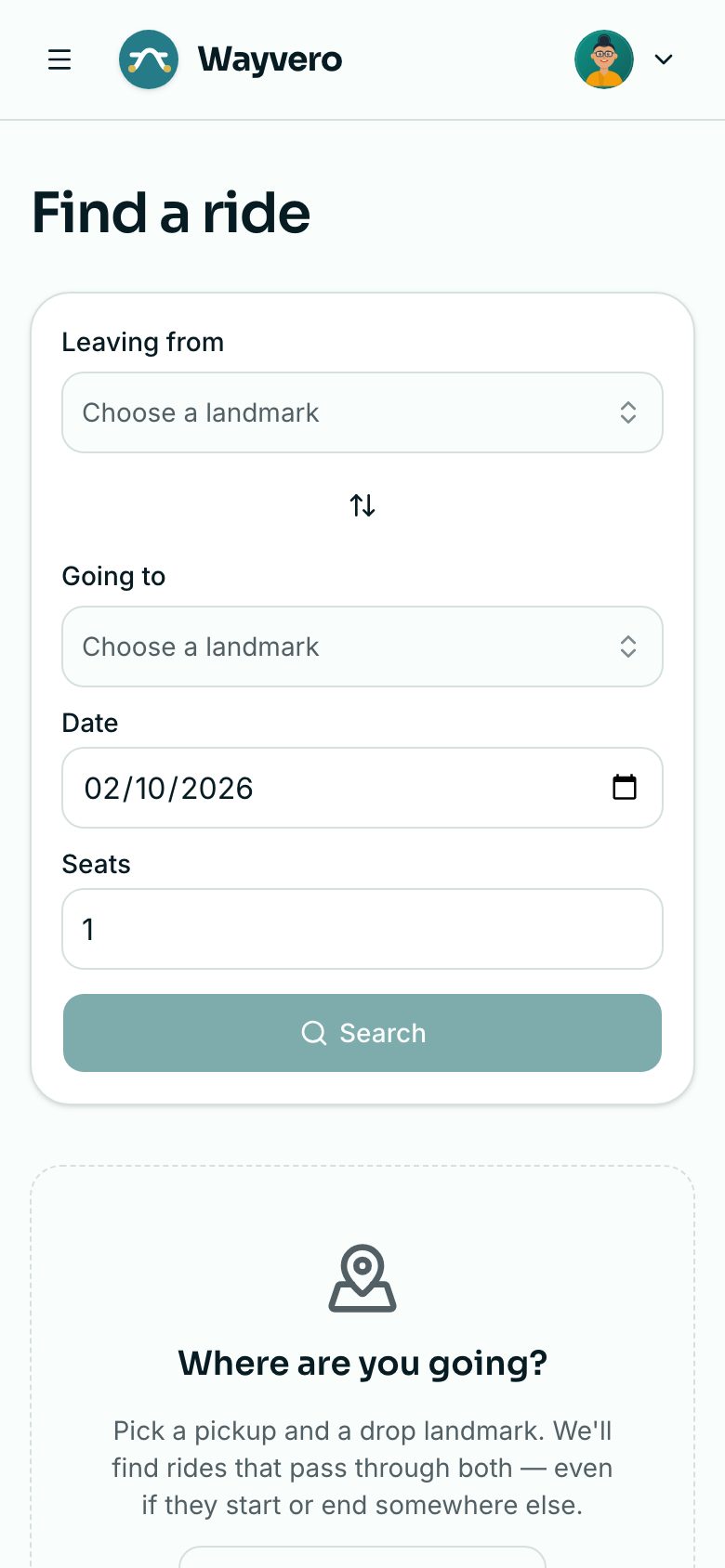
Shared transport. Group trips and airport runs often need shared vehicles with seats, stops and fares worked out. Our Wayvero concept build is a carpooling product with seat booking, verified drivers, stop-based fares and UPI payment links, which shows how shared rides can be organised in an app.
Getting your first customers
- Your own circle and community. Office groups, housing societies, alumni groups and religious or cultural associations.
- Google and Instagram. A Google Business Profile, real trip photos and short itineraries people can save. See our local SEO guide.
- WhatsApp. A broadcast list for upcoming departures and early-bird offers.
- Partnerships. Homestays, hostels and bike rentals in your destinations can send you travellers and vice versa. Read how to start a homestay and how to start a bike rental business.
- Reviews and referrals. Ask every traveller for a review and offer a discount on their next trip for a referral.
The tech you need
| Stage | What to use |
|---|---|
| First trips | WhatsApp, a shared itinerary document, UPI, a booking register |
| Regular departures | A website with packages, dates, seats, online deposits and enquiries |
| Growing agency | A booking system with traveller records, supplier management, payments and itineraries in an app |
Read what goes into a travel booking website, and look at our concept builds Wanderbunk, Roamlane and Wayvero. Our guide to adding UPI payments explains deposits and refunds. Send us a brief when you're ready.
See the app a travel agency runs on
We designed and built this concept end to end, every side of it, so you can open it and try it before you plan your own. Our travel booking website page covers the features, timeline and what moves the cost.
Questions people ask
Do I need a licence to start a travel agency in India?
You need the usual business registrations, such as GST and a Shop & Establishment licence. Many states also register travel agents and tour operators through their tourism departments, and the Ministry of Tourism offers optional national recognition. Airline ticketing accreditation is optional and has its own requirements. Check your state's current rules. This is not legal advice.
Can I start a travel agency from home?
Yes. Many agencies begin from home with a phone, a laptop, a website and supplier tie-ups. Register your business properly, use a business bank account and payment gateway, and meet clients in a co-working space or at their homes if needed. Move to an office when you have regular departures or staff.
How do travel agents earn money?
Agents earn a margin on packages they design, commissions from hotels, transport and activity providers, and service fees for planning, visas or corporate travel management. Group departures and niche trips often earn better margins than single hotel or flight bookings, because travellers pay for planning and support.
How much does it cost to start a travel agency?
A home-based agency selling domestic packages can start from roughly ₹3–8 lakh, covering registrations, a website, destination visits, marketing and some working capital for supplier deposits. An office with staff, group departures and corporate accounts needs much more. Treat these as rough estimates.
Does a travel agency need a website?
Yes. Travellers want to see itineraries, photos, dates and prices before they call. A website with your packages, clear booking terms and online deposits builds trust and saves hours of repeating the same details on the phone. It also lets your Google listing point somewhere useful.


